Tell Your Story
Help us celebrate you—our amazing supporters who believe in finding practical and beneficial ways for both people and nature to thrive.
Read stories from supporters just like you!
A journey of understanding
As a child, I always attributed ‘feelings’ to animals, and though TV was not a feature of our home till my teens, I loved reading books with nature and wildlife themes. My biggest realization of how nature is being impacted was my first visit to see killer whales at...
Elizabeth: A journey of understanding
As a child, I always attributed ‘feelings’ to animals, and though TV was not a feature of our home till my teens, I loved reading books with nature and wildlife themes. My biggest realization of how nature is being impacted was my first visit to see killer whales at the Vancouver Aquarium. I was both fascinated and sad to see such large creatures in such a small space, and so started my journey to understand more about wildlife conservation.
World travel, TV programs, a connection to a local wild life rescue centre OWL in Delta B.C. and the WWL, Nature, and Yellowstone to Yukon Publications have inspired my contributions. I am passionate about the destruction of the Amazon Rainforest and the general desecration of all wildlife habitats, and travel to the outback in Australia, and wildlife parks India and Africa have enabled me to see and appreciate the fragility of these systems if we as humans continue on our relentless quest for fossil fuels and minerals.
How to see and appreciate our beautiful and only home in the cosmos.
I spent the first part of my young life, till twelve years old living in a small town in India, surrounded by fields and mostly open land with my parents. My father had taken early retirement so I had both parents around all the time. He had spent some time in his...
JS: How to see and appreciate our beautiful and only home in the cosmos.
I spent the first part of my young life, till twelve years old living in a small town in India, surrounded by fields and mostly open land with my parents.
My father had taken early retirement so I had both parents around all the time. He had spent some time in his youth gallivanting with a friend in the forests near his home town hunting deer, and obviously tuned into all that nature had to offer. He showed respect for all the life that surrounded us.
My mother also seemed to have knowledge about the wild life that surrounded us in our small town and shared it with me as I grew up and asked questions and wondered about the different plants, bird songs, insects etc. that I saw.
We took daily evening walks with our dogs all around our little town and sometimes experienced rare sightings of the wild life that lived around us, smelled and saw beautiful flowers in people’s gardens that gave off wonderful perfumes, and admired the huge and wonderful tree varieties all around. Enjoyed the products of the large variety of fruit trees (7 at least types) we grew in our back yard, all year round. Watched the wonderful, enormous red-orange setting sun every evening after our walks, and when the sun had set and the dark of night took over, we sat back in our canvas easy chairs and looked up at the immense, packed, starry sky and wondered, and were occasionally treated to a shooting star or two. At the same time listening to the Night Jar that sat in one of our huge Jamun (Jamlum) trees and sang its familiar song.
I was very sensitive about anything that negatively affected our pet dogs and cat, and the poultry and pigeons we sometimes raised, and fretted about it for days afterwards. I also couldn’t bear to see people suffering anywhere (in India this occurred from time to time due to the poverty so many people suffered from) and this also had the same effect on me.
So it would seem that these early blissful, nature-filled years contributed to my love and concern for all life on earth as I grew up and matured. Sadly, gone are the days when there was so much variety in nature in such enormous quantities, thanks to the man’s indiscriminate exploitation and hunger to have all he can from this amazing planet we call home!
I hope we wake up and change our ways to accommodate the rest on life on this planet and recognise that all of it has just as much right to survive and thrive on planet earth!
In the steps of my Father
My Father gave me my great love of the outdoors and all the animals that dwell there. We camped somewhere in the wilderness every weekend. We were always in the middle of nowhere British Columbia. We camped in our tiny trailer, Mom, Dad, me and my two sisters. We...
Larraine: In the steps of my Father
My Father gave me my great love of the outdoors and all the animals that dwell there. We camped somewhere in the wilderness every weekend. We were always in the middle of nowhere British Columbia. We camped in our tiny trailer, Mom, Dad, me and my two sisters. We would go on hikes and Dad would explain all about the animals that live in this area and show us the plants we could eat and the ones to stay away from. I remember camping by a small lake and sitting by the campfire at night listening to the wolves howl and then watching them in the moonlight running on the hill on the other side of the lake.
When I became a teacher, I taught my students what my Dad had instilled in me. When I became a mother, my Dad and I taught my girls to respect nature. And now my daughter and I are teaching our grandsons to love nature and protect it.
I first became involved in wildlife conservation with PETA and the Save the Whales campaign. I now donate monthly to several conservation groups. I hope we can protect and save this planet for all the generations to come.
I love my trees.
I can say that I was always inspired and always appreciated nature. I was born and raised on a dairy farm and my parents had a sugar cabin from 1949 till now. It is the third generations' making maple syrup in the family located NW of Quebec city. That means they had...
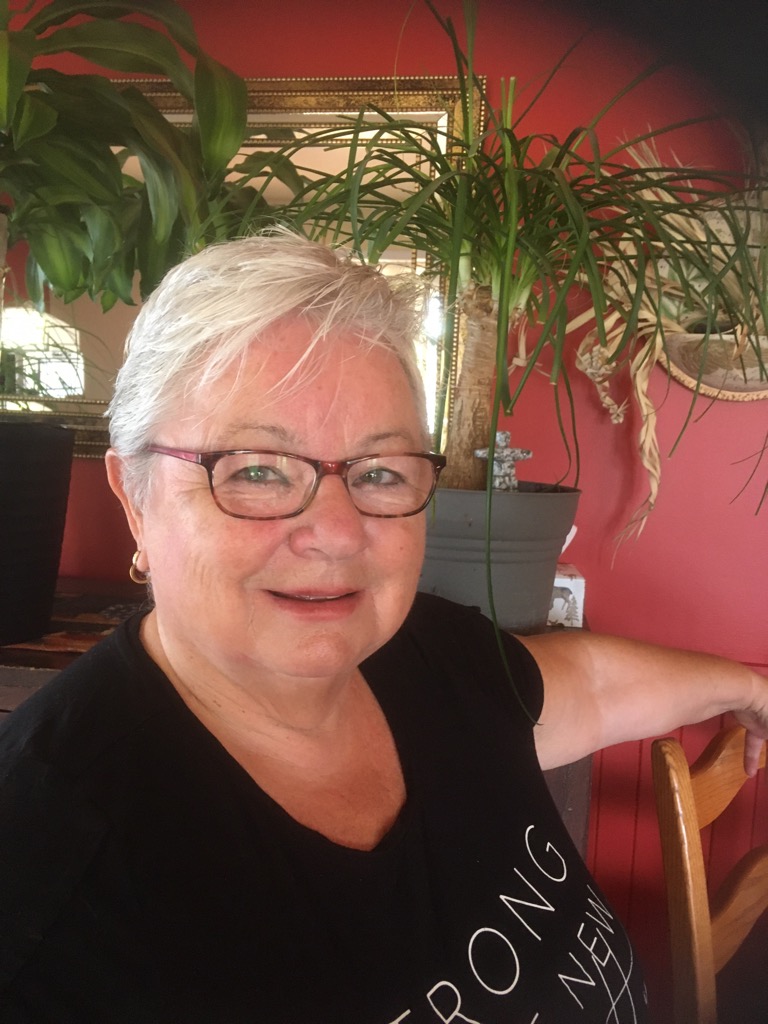
Jeanne-D'Arc: I love my trees.
I can say that I was always inspired and always appreciated nature. I was born and raised on a dairy farm and my parents had a sugar cabin from 1949 till now. It is the third generations’ making maple syrup in the family located NW of Quebec city. That means they had to keep the surrounding of the maple trees clean and also helping the growth of new trees. I helped with the wood and piling it for the wood stove. I always played in woods and climbing trees. After I moved in Alberta,
I continued planting all kind of trees on the 1/4 of land we bought in 1988. I started with tree # 1 in 1989 and till April 2024.
I and my family planted about 2500 trees, bushes, fruit trees and ornamental trees. I did move beside Edmonton and I sure miss my country and I miss planting trees. Here I have a very small yard and I planted an apple tree, a cherry tree, a nine bark, a black cassis, an ornamental sumac, an hydrangea and four grapes vines, two bleu and two green. I look at them growing and last fall I had my first crop of apples. That was good.
Jeanne-D’Arc Laperrière Mailloux

Many small steps lead to great achievements
I grew up in a small lake town, and was always surrounded by nature. A big fan of being outside immersed in the sounds and life, observing and appreciating its beauty. As a child my dad would bring me these postcards from the WWF Canada campaign that had beautiful art...
Hayley: Many small steps lead to great achievements
I grew up in a small lake town, and was always surrounded by nature. A big fan of being outside immersed in the sounds and life, observing and appreciating its beauty. As a child my dad would bring me these postcards from the WWF Canada campaign that had beautiful art of animals on them and I tried to collect them all. I believe I still have them in a box of memories! Since then I’ve always looked to say yes to any projects or events where I am able to support wildlife conservation, from presentations at school on the Ozone Layer in science class, or volunteering efforts, and creating Green Team Committees and chairing existing ones at my workplaces. I still spend time in the woods or the valleys in nature almost every day to appreciate nature just like I did as a child. I’m very passionate about our ability to work with the grain than against it and believe we can truly make a difference together, one step at a time, just like getting to the top of the CN Tower Climb!
Learning to appreciate this beautiful planet.
My experiences as a child/youth at summer camp, canoeing and portaging around the Lake Mazinaw/Bon Echo region and the Georgian Bay area. Spending weekends in Caledon, Ontario during the 1950's and 1960s with my parents who were very into nature and the environment....
Jim: Learning to appreciate this beautiful planet.
My experiences as a child/youth at summer camp, canoeing and portaging around the Lake Mazinaw/Bon Echo region and the Georgian Bay area. Spending weekends in Caledon, Ontario during the 1950’s and 1960s with my parents who were very into nature and the environment. One of my earliest memories is watching from the edge of a field as it was being reforested with evergreen seedlings. Buying property and moving to the country in 1979 and witnessing the dance of nature reveal itself. Painting and sketching landscape and animals. Traveling and appreciating the jungles and countrysides of places around the world. My hope is that we learn how to do a better job of caring for this planet.
Small things make big changes
Hello, I'm Josefa and I'm from Chile. I visited Canada in 2023 and I absolutely fell in love with its nature, I enjoyed every trip to the woods, and a canoing experience I had that made me conect with Nature. I hope everyone could create awarness about little things...
Josefa: Small things make big changes
Hello, I’m Josefa and I’m from Chile. I visited Canada in 2023 and I absolutely fell in love with its nature, I enjoyed every trip to the woods, and a canoing experience I had that made me conect with Nature. I hope everyone could create awarness about little things that we could start doing so we can change our plannet

Our Planet, our Nature , our Resources and Our Responsibility
My appreciation for nature started at a young age. I remember spending summers exploring forests, lakes, and mountains, completely in awe of the beauty and harmony in the natural world. There was something profoundly humbling about standing among towering trees,...
Aseem: Our Planet, our Nature , our Resources and Our Responsibility
My appreciation for nature started at a young age. I remember spending summers exploring forests, lakes, and mountains, completely in awe of the beauty and harmony in the natural world. There was something profoundly humbling about standing among towering trees, listening to the calls of birds, or watching a river carve its way through the land. Those experiences instilled in me a deep respect for nature and a desire to protect it.
I first became involved in wildlife conservation when I realized how fragile these ecosystems truly are. Seeing reports about habitat destruction, species decline, and climate change made me want to take action. Supporting organizations like WWF-Canada felt like the most effective way to contribute to meaningful change. Every initiative—whether protecting endangered species, restoring habitats, or advocating for sustainable practices—represents a step toward a better future, and I’m proud to be a small part of that effort.
My hopes for the future of our planet are simple yet ambitious: I dream of a world where nature and people thrive together. A world where forests are not felled faster than they can regenerate, where oceans remain vibrant and full of life, and where species are not lost due to human impact. I hope that future generations will still experience the wonder of the natural world, not just in books or documentaries but in real life—standing in a forest, by a river, or on a mountain, feeling connected to something greater.
I look forward to continuing to support WWF-Canada and working toward a future where nature is valued and protected.
My memories of nature in the 40’s and 50’s
I am 83 years old and my love of nature began as a child. We lived in the country but not far from Toronto. We lived on a few acres with woods, small creeks and lots of gardens. My Dad was a real horticulturist, an English man, growing everything from seeds in his...
Norma: My memories of nature in the 40’s and 50’s
I am 83 years old and my love of nature began as a child. We lived in the country but not far from Toronto. We lived on a few acres with woods, small creeks and lots of gardens. My Dad was a real horticulturist, an English man, growing everything from seeds in his green house, it was a loving hobby. His beautiful gardens, full of fruit trees, vegetables, raspberries lovely old rhubarb patches and even rows of grapes in all colours. I was so lucky to be able to experience this lovely childhood. I remember the manure being delivered at the end of our driveway and my Dad wheeling his wheel barrel all Sunday afternoon to his gardens. Butterflies were plentiful and I could watch the full metamorphosis of a butterfly hanging on a branch. The small creek had some clay sides where I could collect some clay and pretend to make small bowls. My Dad’s gardens were often photographed from people driving by. Birds so plentiful, small skunks roaming around, not disturbed by anything, well maybe our English Setter dog.
My love of nature on my doorstep. How lucky was I?
What a beautiful time growing up in the 40’s and 50’s.
I could go on and on.
Why We’ve Got To Get Ourselves Back to the Garden
The deluded dreams of billionaires aside, there is no Planet B. With our bottomless appetite for unchecked and unequal economic growth, humanity has become a weapon of mass extinction. …We are treating nature like a toilet". These were the sentiments proclaimed by...
Rita: Why We’ve Got To Get Ourselves Back to the Garden
The deluded dreams of billionaires aside, there is no Planet B. With our bottomless appetite for unchecked and unequal economic growth, humanity has become a weapon of mass extinction. …We are treating nature like a toilet”. These were the sentiments proclaimed by United Nations’ (UN) Secretary-General, Mr. António Guterres, when he spoke at the UN’s Biodiversity Conference — COP15 in Montreal in December 2022 in the context of the UN’s Sustainable Development Goal #15, “Life on Land”.
Habitat is the lynchpin of wildlife conservation. Its destruction is a major threat to the survival of the plant and animal kingdom. One of the environmental justice missions at the First Unitarian Church of Hamilton is creating habitat for wildlife through Carolinian gardening. Flora and fauna can not raise their young when their ecosystems are destroyed. Every minute the human species is relentlessly grabbing their food and ripping down their fragile homes without even knocking on their door. How can we protect these vulnerable communities of animals and plants? Like us, native wildlife must have eco-friendly buffets where they can find proper food for their “special diets” and havens that can safely shelter them and their young against the storms of life.
Over the past ten years, the church’s gardening group has restored a hectare of church property, including a parking lot. With much toil and perseverance, they created an inviting and inclusive habitat for native plants and animals. Given the gardeners’ ages I could envision them humming Joni Mitchell’s 1970’s environmental activism song “Big Yellow Taxi”. The nostalgic lyrics are a cautionary tale “They paved paradise, put up a parking lot. They took all the trees and put ’em in a tree museum. Hey farmer, farmer, put away that DDT now. Give me spots on my apples, but leave me the birds and the bees, please. You don’t know what you’ve got ’til it’s gone”.
One longtime gardening team member, Nancy, recollects how when she joined the group in 2011, “We just went around the grounds cleaning up lots of garbage .” They reached out to their local city ward councilor, who requested Canadian Pacific Railway “remove tons of refuse from around the railway tracks,” And “then we started to dig out invasive plants, miles of English ivy, bushels of tree of heaven roots, and a hundred Japanese knotweed shoots .”Another longtime gardener, Trinette, points out that the church is a former hardware store located on a large irregular lot; two sides of the garden fall into a valley through which some of the railway tracks run. Referring to the garden’s unusual haphazard formation Nancy once described feeling “like she was in Noah’s Ark”. Standing in the bow of the ark, looking southward towards the diagonally intersecting railway tracks, one can easily imagine the distant horizon signifying the ebb and flow of time and feel its waves rocking the vessel. Trinette recounts “When I began to work on the garden, I was struck by the lack of life. There were no insects, birds, or even squirrels. My own garden, which is across from the same railway track, in the centre of the city, had lots of insects, birds, squirrels, and raccoons”. Trinette remembers how the site was overgrown with “Queen Anne” Lace, ivy, periwinkle, orange day lilies not to mention Trees of Heaven. There were some native plants as well, such as goldenrod and grape vines. We were fortunate that the site had many trees and shrubs”. Trinette punctuated her final thought, “We began by weeding.”
Nancy recalls how the gardening team was uncertain about what should replace the invasive plants “Then, along came Joanne with plans to create a Carolinian pollinator garden that would feed local birds and wildlife and could survive increasing drought conditions. “Joanne reportedly ‘found accomplices in the congregation’ to apply for environmental grants. The World Wildlife Fund-Canada was one of the generous supporters. Joanne reminisces that when she, and her husband, Allan, joined the gardening team over a decade ago, “planting came as donations from the congregation to fill up the spaces. A few were native, but the majority were introduced or invasive plants”. Nancy added that Allan brought the team “a huge lift because of the amount of heavy work he could accomplish quickly…and their dog brought companionship” and an emotional lift.
The gardening team planted hundreds of native Carolinian zone perennials and trees, introduced rocks and other non-living elements (abiotics), shored up eroding areas, and built a rain-drain garden. Dr. Doug Tallamy, a renowned entomologist and native gardening advocate, emphasizes the importance of including native keystone species, such as pollinator plants, in the wildlife garden because these species hold together the complex web of relationships in an ecosystem. One could say that Joanne, the gardening committee team leader, is the keystone species that glues, sews, and weaves the small gardening community together. As another longtime gardener, Susan, recounts, “Joanne’s enthusiasm for native and Carolinian plants has infected our whole team… We attended a series of talks given by Joanne and became more aware of native species and pollinator plants”. Subsequently, the team planted various pollinator plants, including native sunflowers, milkweed, black-eyed Susans, coneflowers, and goldenrod. These prolific pollen providers generously feed over 100 insect species and 50 varieties of bees. Also in the garden is an oak tree, indigenous to southern Ontario. It is one of the best keystone plants because its mighty arms can hold the whole ecosystem together. The oak lovingly provides its cooling shade as protective shelter and dutifully accommodates native species’ “special diets” with biochemically available food. Its deep roots protect the soil from erosion.
At the UN’s Biodiversity Conference, Mr. António Guterres implored his audience-us- to remember that nature is our “best friend” and life-support system “Without nature, we have nothing. Without nature, we are nothing”. And yet “humanity seems hellbent on destruction. We are waging war on nature”. We are precariously situated at a critical juncture in preventing the loss of biodiversity and the extinction of species on our planet. The UN report indicates that one million animal and plant species are now threatened with extinction, many within decades. Conservationist Aldo Leopo points out that “conservation is getting nowhere because it is incompatible with our Abrahamic concept of land. We abuse land because we regard it as a commodity belonging to us. When we see land as a community to which we belong, we may begin to use it with love and respect”.
What is the main driver of nature loss? Unsustainable consumption and production. Multinational corporations are “filling their bank accounts while emptying our world of its natural gifts” and making ecosystems “playthings of profit,” Mr. Guterres explained to his listeners. We are bombarded by an endless artificial creation of demand for commodities we don’t really “need”. Mr. Guterres advised his audience to repair the world and “forge a peace pact with nature” as well as follow plans that recognize and protect the rights of Indigenous Peoples, “who have always been the most effective guardians of biodiversity.” The Seventh Generation Principle, based on ancient Haudenosaunee (Iroquois) philosophy, advises that our decisions today should result in a sustainable world seven generations into the future. The consumerist, capitalist Western way of life does not align with this respectful generational and relational framework. Like the lyrics in Joni Mitchell’s 1969 Woodstock “We are stardust, we are golden, we are caught in the devil’s bargain”. Mr. Guterres urged “Step up for nature. Step up for biodiversity. Step up for humanity” How do we heed Mr. Guterres calls for action?
One of the underlying principles of the Indigenous Peoples’ worldview is that the world is a gift, and humans have a responsibility to reciprocate. Understanding this connection contextualizes the difference between looking at the Land as a commodity to which we have rights versus experiencing a relationship that involves moral responsibilities and obligations. It is the difference between hungrily viewing natural resources as objects of consumption, with an appetite for extraction, versus nurturing a kinship relationship with love’s inherent desire to respect and protect the land as a subject. The following unsolicited interaction reflects this protective relationship. Last week newcomer gardener Sue P. emailed photos of newly blossomed snowdrops and winter aconite to all the garden group members accompanied by the headline “How does OUR garden grow”? “I popped into our garden in passing the church this morning doing errands. Amongst the garbage that has accumulated over the winter, I found these little gems to cheer us all up. Enjoy! Love, Sue. Also, as I heard so many birds there, I cracked open the ice on the pond so they could have a drink too !!” The empathy for the birds’ plight and the desire to respond shines clearly through her gesture. “
How can we “step up” for nature and biodiversity? Mitchell’s song reminds us that “we are stardust, we are golden. We are billion-year-old carbon”. Native plants’ symbiotic relationship with native wildlife, a marriage that has lasted for over a million years, can perhaps shed some light on our collective befuddlement. “Symbiotic” means a “mutually beneficial interaction”. In her book “Braiding Sweetgrass: Indigenous Wisdom, Scientific Knowledge, and the Teachings of Plants” Indigenous author Dr. Robin Wall Kimmerer explains that the well-being of the land is inextricably linked to the well-being of the community and the individual. Reciprocity is critical in contemplating our relationship with the living world. Dr. Kimmerer advises that we view land as our teacher and take from the land only what we need, use it well, and demonstrate gratitude. She points out that our relationship with the land is broken, “restoring land without restoring a relationship is an empty exercise.” Dr. Kimmerer refers to the process as “reciprocal restoration”. The active verb “reciprocate” means “responding” or “paying back what one has received.” In restoring the land, we are restoring ourselves. How can we engage in this interdependent process?
Listening to the Indigenous land acknowledgment at the First Unitarian church pulpit every Sunday, we are reminded that we are uninvited guests living on land loaned to us by the “most effective guardians of nature”. How can we respond? As Dr. Kimmerer reminds us, “restoring land without restoring a relationship is an empty exercise.” Given Canada’s commitment to building a relationship of reconciliation with Indigenous Peoples, as well as the UU’s newly ratified 8th principle, a structure of accountability to historically marginalized groups, it behooves us to discuss the value of making our supply chain socially and economically transformative. Our gardening committee has very recently discussed the option of purchasing our native plants from an Indigenous plant and seed social enterprise because “restoring land without restoring a relationship is an empty exercise. “Kayanase Restoring Mother Earth” is an employment training greenhouse located in Oshweken, a local Indigenous community within the Six Nations of the Grand River. Kayanase is committed to “increasing the number of employable in Oshweken”. It is through a relationship that we can learn “from the other” rather than “about the other”. This opportunity for transformational change is “priceless.” Social change occurs through the vehicle of relationships. We have an opportunity to become change agents.
We are not “just” members of a gardening group or a social club. We are individuals of diverse theological perspectives who have chosen to walk together on a journey of meaning-making. Our gardening community is in a covenantal relationship whose purpose is to “grow” in relation to others and the Earth. We feel compelled to positively impact our environment. Our mission includes inspiring the community toward positive change. Joanne states, “Through extensive education and leading by example, our Carolinian Wildlife Habitat gardens are now recognized for their leadership in protecting habitats.” Susan adds, “We have seen the benefit of this work with increased wildlife and butterflies as well as local interest from other gardeners. We have people stopping by while we garden and compliment our work or ask questions which we now feel qualified to answer…and as all good gardeners know, it is still a work in progress”.
As a refrain to Joni Mitchell’s lyrics, “You don’t know what you’ve got ’til it’s gone,” we can say, “We do know “what we’ve got.” We witness increasingly more native birds, bees, caterpillars, butterflies and other Carolinian species visiting our habitat each year. The presence of butterflies signals a healthy environment. We have seen an abundance of butterflies, including the “endangered” Monarchs, who are considered “canaries in the coal mine” due to their extreme sensitivity to habitat and climate change. Sadly, Monarch butterfly populations in North America have decreased significantly over the past few years. Their habitats have been destroyed by agriculture, fire, logging, and forest thinning. Monarchs are very particular. These “picky” butterflies will only lay their eggs on milkweed native to the environment, and their emerging caterpillar babies will only eat native milkweed. We have native asters and goldenrods that bloom in the fall to “spoon-feed” nectar to the Monarchs. The sugar energy will sustain them on their arduous 4000 km migration journey to Mexico. We hope to see some of their relatives return in the spring.
Even flying squirrels and owls have been seen in the garden since its transformation. There is much gratification in experiencing these new developments. Last spring, I was mesmerized by the zig-zagging mating movements of two Eastern milk snakes. Another gardening member, Ian, came unexpectedly upon a colony of solitary bees. “This caused a great deal of excitement as they were darting about, their iridescent green backs shining in the sun.” A biodiverse ecosystem is a web of reciprocal relationships. Our ineffable and awe-filled cries of joy in response to these unexpected flora and fauna sightings reflect these exchanges involving mutual benefit and represent the intrinsic and extrinsic reward we derive from our interdependent Earth stewarding efforts. Trinette points out that members of the neighbourhood walk and sit in our garden and “visitors approach the gardeners while they are working expressing their love for the gardens; taxi drivers and police officers stop by from time to time”. Mutually beneficial exchanges are activated at diverse intersections on this multi-dimensional grid of reciprocal relationships.
Our wildlife habitat is a microcosm of the community, a complete ecosystem where plants, wildlife, and the human species live interdependently. Sue P. explained that since working in the group she has learned “how we are all connected, not just with each other, but with the wildlife that depends on us to sustain their habitat. My sense of community now includes the natural world.” She adds that, like WWF, “It is also my vision to create a world where people and nature thrive.” Sue P. lovingly applied her artistic painting talents to the garden’s many birdhouses. The birds were not the only species to be accommodated. Nancy pointed out that the local city councillor arranged for a park bench to be located beside the garden bed along Dundurn Street as “There is a lot of foot traffic there, and we wanted a place for weary pedestrians to rest on their way home.”
Another gardener, Gabrielle, stated, “As a newcomer, I loved seeing how we, the gardeners, mirrored the gardens: each with our own strengths, commitment, expertise or beginner’s mind; some of us more forward and others shyer, each of us finding or making our place in the scheme of things and coming together. We were “re-naturing” ourselves and supporting each other, humans and garden alike.” Restoration offers the human species a chance to give back to the Earth and reverse the landslide of ecological destruction. Unwittingly, in the process of restoration, we restore ourselves.
When I joined the gardening team in April 2020, Joanne showed me how to dig, weed, mulch, and plant. As I was being educated, I was unwittingly indoctrinated. I learned experientially that as we garden, we cultivate an attitude of caring and “repairing” rather than consuming. Because I had put in the work of caring, weeding, fertilizing, and planting, I became part of a charmed circle of stewards for the Earth. I distinctly remember hearing Joanne telling me, “Now, Rita, you are a friend of Mother Nature.” It dawned on me that Joanne’s anecdotal explanations about the trees, flowers, bees, caterpillars, and the interconnectedness of things while we were working provided meaningful context to what we were doing. Joanne was adeptly identifying my personal role in this “interconnected web of existence”-the 7th Unitarian Universalist principle reiterated on one of the garden’s many signs. Carolinian gardening transformed my relationship with Mother Nature. In September 2020, I started my own Carolinian garden by planting nannyberry, bluestem grasses, wild ginger, great blue lobelia, and boneset from Kayanase Restoring Mother Earth in Oshweken.
Another newcomer, Leah, points out that “community gardens change attitudes and behaviours. At the grassroots level, people learn it is possible that they, too, can take action that bolsters positive climate change”. Lorenz’s “butterfly effect,” based on chaos theory, suggests that a slight change in the initial condition of a complex interconnected system can significantly influence its trajectory. A butterfly’s wing flapping can create a small change in initial atmospheric conditions. This tiny action has the potential to alter the trajectory of a typhoon. Given this premise, can our work in the garden activate a multiplying “butterfly effect” to change the world? Who knows? “The deluded dreams of billionaires aside, there is no Planet B…We treat nature like a toilet”. Are we, in some very small way, heeding Mr. Guterres’ calls for action? Is our garden, a small action, like the flapping of a butterfly’s wing, stepping up for nature and biodiversity? Given that the only constant in life is change, the only certainty for me is that we are stepping in the right direction. As part of the invasive human species, I am not very optimistic, but like social critic Cornell West said, “I am a prisoner of hope.” “We are stardust, we are golden, we are caught in the devil’s bargain and we’ve got to get ourselves back to the garden.”
Please don’t give up!!
I've appreciated nature since I was a small child.My parents built a cottage next to a lake and vacationing there gave me a great love and respect for the environment and its animals! Wildlife conservation has always been very important to me. Without it we are...
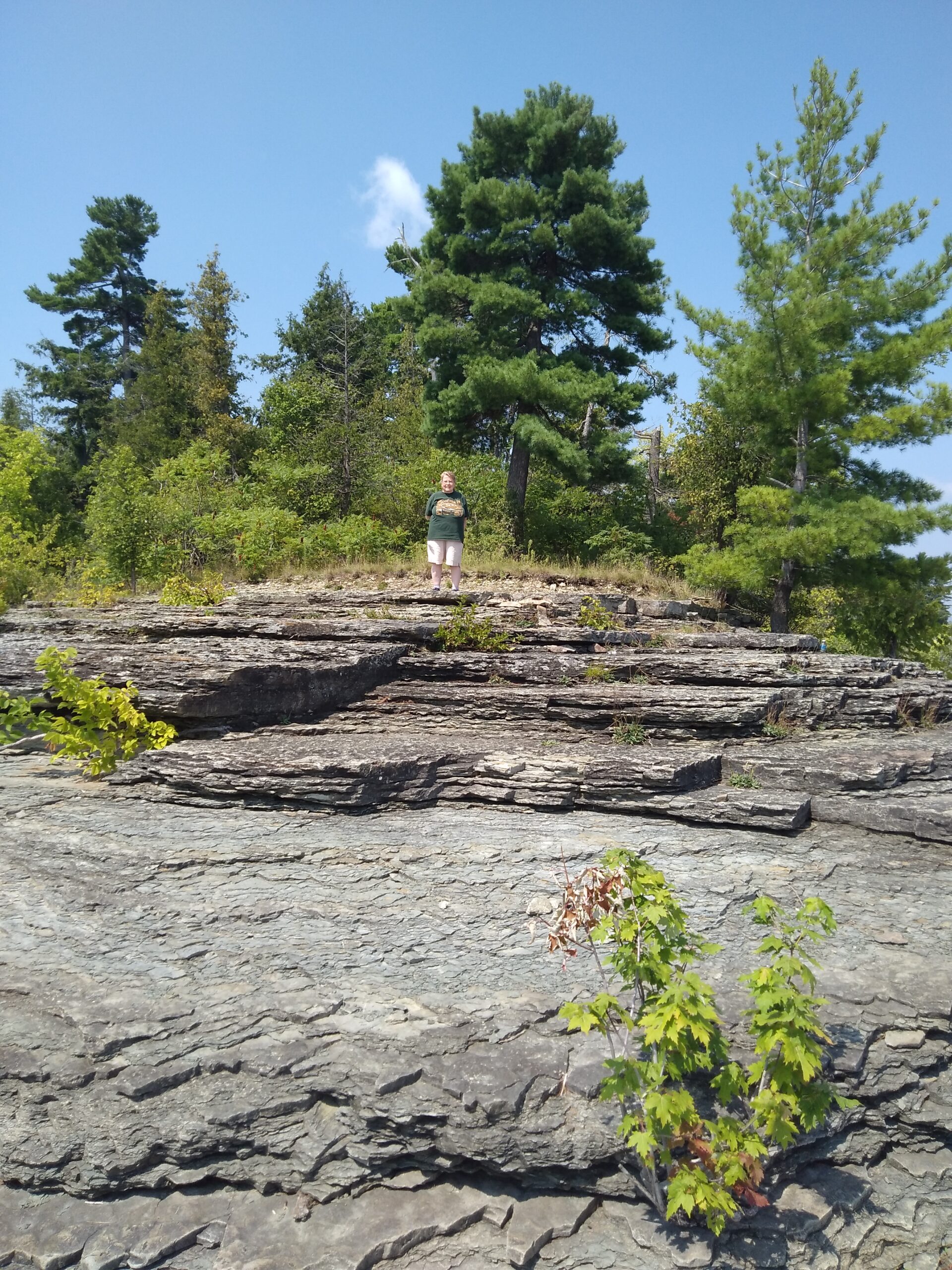
Rosanne: Please don’t give up!!
I’ve appreciated nature since I was a small child.My parents built a cottage
next to a lake and vacationing there gave me a great love and respect for the environment and its animals! Wildlife conservation has always been very important to me. Without it we are doomed! I hope that our generation’s youth will realize this and do their best to fight for our planet and its animals! We need to prioritize teaching our children and our grandchildren that the climate IS in crisis and that we can help!

Step by Step for Nature: My Climb to Protect Our Planet
My appreciation for nature started at a young age. I grew up exploring local trails, watching documentaries about wildlife, and learning how every species plays a role in our planet’s delicate balance. But it wasn’t until I saw firsthand the impact of habitat loss and...
Satyajit: Step by Step for Nature: My Climb to Protect Our Planet
My appreciation for nature started at a young age. I grew up exploring local trails, watching documentaries about wildlife, and learning how every species plays a role in our planet’s delicate balance. But it wasn’t until I saw firsthand the impact of habitat loss and climate change that I truly felt the need to take action. Nature has given us so much—clean air, fresh water, breathtaking landscapes—and I believe it’s our responsibility to protect it.
My journey into wildlife conservation began with small steps—supporting local clean-up events, donating to conservation groups, and making sustainable choices in my daily life. But I wanted to do more. That’s when I discovered the WWF CN Tower Climb for Nature. Climbing those 1,776 steps for the first time was both physically and mentally challenging, but knowing that every step contributed to protecting wildlife made it all worthwhile. After that first climb, I was hooked. Each year, I’ve returned, pushing myself harder and raising more funds to support WWF’s incredible work.
I dream of a future where we coexist with nature rather than exploit it. A world where endangered species thrive, forests are restored, and our oceans are free from plastic pollution. While the challenges are great, I believe in the power of collective action. Every climber, donor, and advocate makes a difference. Through events like the CN Tower Climb, we’re not just scaling a building—we’re rising to the challenge of protecting our planet.
I hope my story inspires others to take action, because together, we can create a future where both people and nature flourish.
My Thoughts
My appreciation of nature came from my parents and grandparents. We would often go for Sunday afternoon drives and then have a picnic at either a park or open area. I believe in wildlife conservation because we need to preserve wildlife and nature for future...
Allison: My Thoughts
My appreciation of nature came from my parents and grandparents. We would often go for Sunday afternoon drives and then have a picnic at either a park or open area.
I believe in wildlife conservation because we need to preserve wildlife and nature for future generations. I became involved because there is nothing like taking a walk in a forest and field. Breathing the fresh air and just being part of nature.
We should all take ownership for our actions and the effects they may have on the environment.

From Gardens to Guardian: My journey to Wildlife Conservation and Restoring Nature
As a military family, we moved around a lot . From the Rocky Mountains to the prairies and the Atlantic Ocean, I have experienced nature in ways most people never have. Nature was always there for me and I grew up learning to respect and accept nature as a living...
Richelle: From Gardens to Guardian: My journey to Wildlife Conservation and Restoring Nature
As a military family, we moved around a lot . From the Rocky Mountains to the prairies and
the Atlantic Ocean, I have experienced nature in ways most people never have. Nature was always there for me and I grew up learning to respect and accept nature as a living thing.
I think I stumbled into wildlife conservation. As a landscape designer I created beautiful gardens. But it wasn’t until the COVID lockdown that I realized I was tearing apart existing ecosystems and turning them into whatever people wanted. That thought was sobering and I became a Certified Master Gardener dedicated to naturalizing urban landscapes. I show how they can help wildlife in their own yards. Every action counts, no matter how small. My hope for the future of the planet is that it will recover from our manipulation and we can find a way to live with wildlife. We need to educate people so that they are aware of the affects they have on the earth. Making people self aware is the only way wildlife will be able to thrive. It is my goal to educate as many people as I can through my talks and workshops.
For the love of animals….
I have always loved animals so much, always looking for animals around my block to rescue as a child. I found numerous lost dogs and brought them back to their homes and owners. As I got older I had a daughter who wanted to be a vet, she may not want to anymore as she...
Liane: For the love of animals….
I have always loved animals so much, always looking for animals around my block to rescue as a child. I found numerous lost dogs and brought them back to their homes and owners.
As I got older I had a daughter who wanted to be a vet, she may not want to anymore as she has discovered her artistic side and wants to be an Artist!… I will continue supporting WWF with my children and continue helping to save animals.
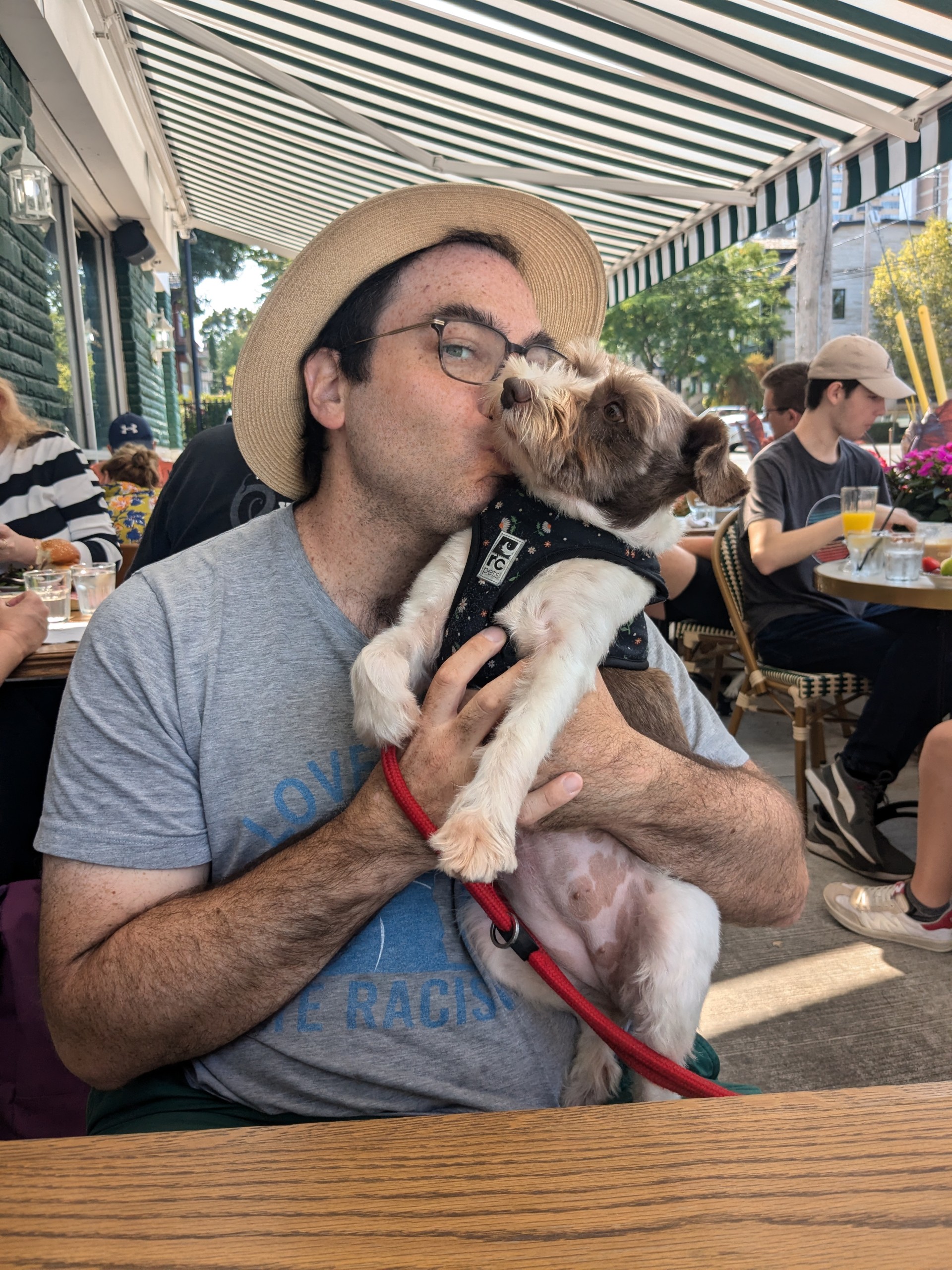
Animals deserve our immense appreciation!
I had a good education from an early age, so I learned to love animals, and eventually in adulthood, realized I didn't like eating meat, and switched to vegetarianism, for which I am committed. I've had four dogs as pets, all very beloved dogs, and I generally think...
Eli: Animals deserve our immense appreciation!
I had a good education from an early age, so I learned to love animals, and eventually in adulthood, realized I didn’t like eating meat, and switched to vegetarianism, for which I am committed. I’ve had four dogs as pets, all very beloved dogs, and I generally think how poorly animals are treated, despite their beauty and importance to Nature. I would say environmental skills may stop the conflict raging in the world, and that conservation can help with stewarding animals in the wild in general.
Interconnected
My dad was instrumental in my developing a lifelong curiosity and appreciation for all forms of nature, environmental awareness. Watching wild kingdom, following Greenpeace in high school, exploring grandparents farm, streams, camping. As a child, rescuing injured,...
Susan: Interconnected
My dad was instrumental in my developing a lifelong curiosity and appreciation for all forms of nature, environmental awareness. Watching wild kingdom, following Greenpeace in high school, exploring grandparents farm, streams, camping. As a child, rescuing injured, trapped animals, scurrying snakes, frogs across the road. Bringing home a few (despite mom protests) Realizing at a young age the importance of our connectedness. Following tracks in the snow. Providing Outdoor Education in adult years. Around our property, the old maples provide a massive canopy for the birds and other critters. I have put up natural berms, for “rabittats” Planted more trees, berry producing shrubs, keep kale growing in the garden as long as possible in winter, and supply bird feeders/water/peanuts. I leave the leaves and yard debris in piles for the insects, waiting well into the spring before removing. Try to instill same in the grandchildren for future generations. Enjoy paddling down the creeks/rivers, observing wildlife along the way. That’s my church. I could go on for a novel, however, I am sure this is a familiar story for many.

My Story
I donate on behalf of my brother, Steven Michael Donoghue, for our family. Steve was a son, a brother, and an uncle. But he was also an inspiration for all of us when it came to being a steward of the environment. An avid hunter and fisherman, he had a deep...
Rachel: My Story
I donate on behalf of my brother, Steven Michael Donoghue, for our family. Steve was a son, a brother, and an uncle. But he was also an inspiration for all of us when it came to being a steward of the environment. An avid hunter and fisherman, he had a deep appreciation for nature, wildlife, and conservation. He had a deep passion for the Canadian wilderness and understood that all life was to be respected and cherished. He spent much of his youth exploring and had a longing to explore Canada in its entirety. He was always willing to share with us his love of nature and would often be keen to tell us about a recent documentary he watched, or a book he had read about anything and everything to do with the world around him. We knew that he believed it was our duty to care for the Earth. That we were responsible not only for ourselves, but for all living things. When Steve passed away in 2023, it was a shock to us all. And though we were not ready for him to leave us, his legacy lives on. We have learned so much from him, but one of the most important things is to be stewards of the land we live on. To care for the plants and animals that surround us. And so, I donate on behalf of Steve, who helped to inspire myself and my family to be better caretakers of this land.
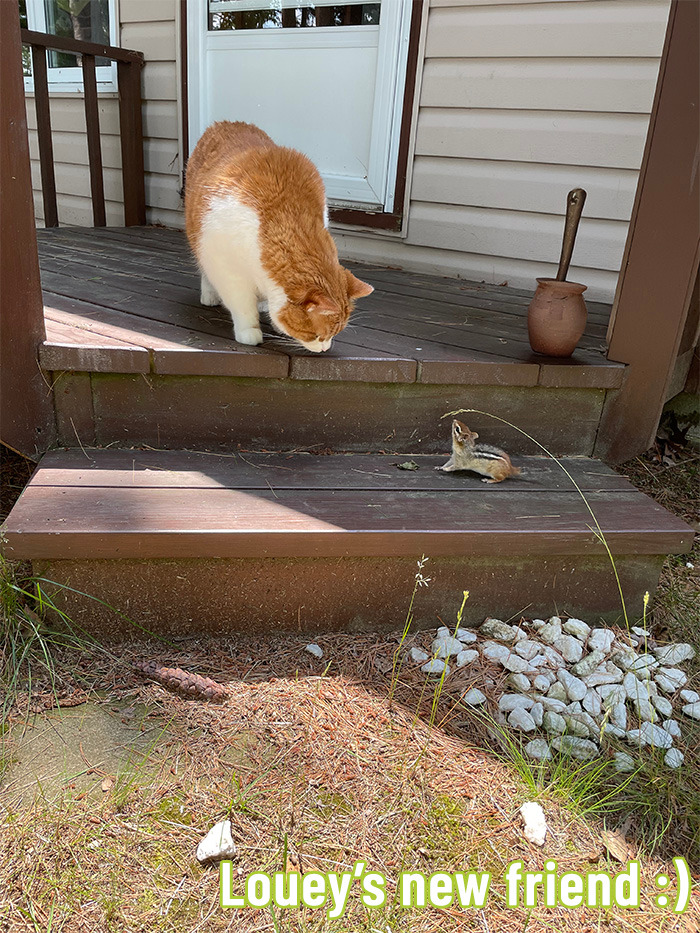
A Dream for Nature’s Future—And the Kids Who Will Protect It
I’ve loved plants and animals for as long as I can remember. The towering trees, the hidden networks of fungi, the creatures that soar, and the ones that burrow—and especially the ones that make you stop and wonder, how is something like this even possible? Like the...
Karine: A Dream for Nature’s Future—And the Kids Who Will Protect It
I’ve loved plants and animals for as long as I can remember. The towering trees, the hidden networks of fungi, the creatures that soar, and the ones that burrow—and especially the ones that make you stop and wonder, how is something like this even possible? Like the immortal jellyfish, or dragonflies that cross entire oceans, or seeds that have waited 32,000 years to sprout—older than human civilization itself!
They were here long before us, shaping Earth in ways we rarely think about—offering food, medicine (thank you, willow trees, for inspiring aspirin, the most commonly used drug in the world!), companionship, and even riding rockets to space. And yet, while humans are full of brilliance and kindness, we’re also the greatest threat to their survival.
That’s why I support WWF-Canada. Because every creature deserves a world that still has room for them.
But I dreamed of doing more. I wanted kids to fall in love with nature early, to grow up caring. So, in my spare time, I began writing playful sci-fi books where plants and animals take center stage—and where they finally have a world of their own: Marsimble, a sanctuary planet just for them. Through these whimsical adventures, I hope kids catch glimpses of real science—DNA, evolution, biodiversity—and maybe, just maybe, one day, humanity will rename Mars to Marsimble and declare it a conservation and research sanctuary for plants and animals.
WWF fights to protect the natural world we love. Thank you for everything you do to protect our planet!
Roewyn & the Great Blue
She calls him Armand: the Great Blue Heron that visits Roewyn whenever she stays at our trailer on McGregor Bay. My 6 year-old granddaughter named him after the great-grandfather she never knew. She says it’s because he’s tall and handsome, like the photo of my father...
Jack: Roewyn & the Great Blue
She calls him Armand: the Great Blue Heron that visits Roewyn whenever she stays at our trailer on McGregor Bay.
My 6 year-old granddaughter named him after the great-grandfather she never knew. She says it’s because he’s tall and handsome, like the photo of my father that sits on my desk. When they’re side-by-side at the end of our dock, Armand stands with one leg drawn up – just like my Dad – one leg up, an impish smile, holding a glass of wine in an image captured years ago on the Lake Huron shoreline.
Roewyn is convinced that the Great Blue is Armand, come to quietly watch over her.
I daren’t disturb the precious scene: this little girl comforted, knowing Armand’s protecting her, a silent sentinel, as the unlikely pair gazes over the early-morning calm of Rice Lake, the silver mist clinging to its mirrored surface.
Suddenly, Armand spreads his magnificent blue wings and soars into the rising sun, a quick glance back, nodding goodbye to his little companion. A quiet giggle and a knowing smile from Roewyn assure me she knows – it’s her great-granddad, and he’s there just for her. Who am I to tell her any different?
Conservation Promise
My dad inspired my love for nature, animals and the world we share. My father passed away in 2019 due to a rare cancer and we promised him that every year for his birthday and Christmas we would donate to wildlife conservation efforts. So far we have adopted a shark...
Amber: Conservation Promise
My dad inspired my love for nature, animals and the world we share. My father passed away in 2019 due to a rare cancer and we promised him that every year for his birthday and Christmas we would donate to wildlife conservation efforts. So far we have adopted a shark (his favorite animal), donated to conserve orca habitats, fundraised to a donate to a large rehabilitation center, cleaned out oceans and donated to animal conservation. My hopes are to pass my dad’s love of animals and the world to my kids, and hope they continue to appreciate the world we share.
A homegrown love of nature
As a child growing up in the suburbs of Montreal, I was encouraged to explore whether it was on my walk to school or on family camping adventures to our seashores, woodlands and beyond. Photography outings with my parents helped shape my interests. As an adult, I...
Wendy: A homegrown love of nature
As a child growing up in the suburbs of Montreal, I was encouraged to explore whether it was on my walk to school or on family camping adventures to our seashores, woodlands and beyond. Photography outings with my parents helped shape my interests.
As an adult, I lived and worked in different international settings but always travelled back to Canada. Exploring was in my blood I guess; the International Youth Hostel Association facilities around the globe enabled lower cost adventures. A unique one here in Canada was cycling from Banff to Jasper over 2 weeks, with time to hike & learn more about our vast country.
Later in life, international travels with friends & family, always with a nature focus, has taken me to all 7 continents. Discovery was always a part of any adventure. Now with tools like iNaturalist and Merlin for bird ID, one can explore as an individual and learn at every step! Sharing this love of nature has been a part of my volunteerism, with local groups here in Nova Scotia, my home for many years. Enabling others to explore on new and future trails and parks is key to my conservation goals. Whether advocating, donating funds or just sharing the love of nature with friends & family, it continues now in my senior years.
As more citizen scientists engage and report concerns to decision makers, one can only hope that our planet will survive for future generations, my grandchildren and yours!
It takes a village! Lets make sure our urban centres will have access to the National Urban Parks currently planned for our cities, including Halifax with the Blue Mountain Birch Cove Lakes. Access to nature will enable our residents to live active& healthier lifestyles.
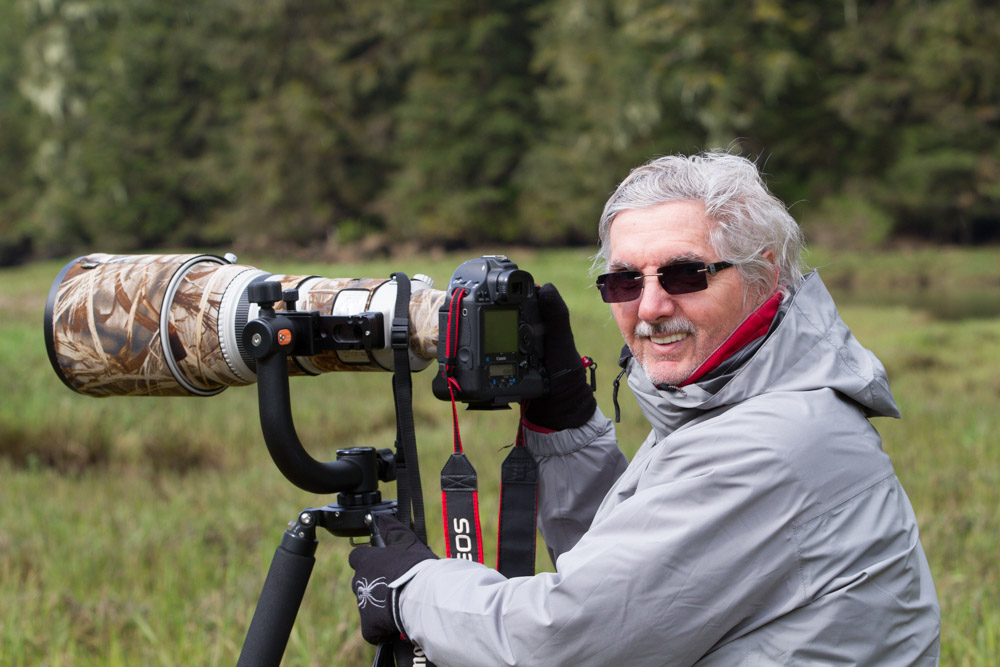
We still have some time to act
As a child, I always loved being outdoors, and that has never left me. Today, as a professional wildlife photographer, my goal in photographing wildlife's endangered species, is to help make people aware that we all share the same planet and that they have every right...
Garry: We still have some time to act
As a child, I always loved being outdoors, and that has never left me. Today, as a professional wildlife photographer, my goal in photographing wildlife’s endangered species, is to help make people aware that we all share the same planet and that they have every right to clean air, pure water, and habitats that allows them to survive and flourish. However, we have still not learned our lesson in that all our human actions have an impact on the environment and has consequences, yet there is very little action governments have taken to mitigate the use of fossil fuels, stop the dumping of plastics in our oceans, polluting the air we breathe, or taking concrete action to help stem the rising temperatures of our oceans. The window of opportunity to change is shrinking, and if we do not absorb the pain and act quickly, it is only going to get worse and millions will suffer and/or die. I applaude and support the work the WWF is doing, but it may not be enough if governments don’t wake up.
Dedicated to nature
I have always loved nature and as a kid loved playing outside, swimming, and going camping. I remember saving up the lids off the boxes of fruit rollups so that I could send away to WWF for a poster. The poster had a variety of different animals drawn on it and I put...
Alison: Dedicated to nature
I have always loved nature and as a kid loved playing outside, swimming, and going camping. I remember saving up the lids off the boxes of fruit rollups so that I could send away to WWF for a poster. The poster had a variety of different animals drawn on it and I put it up over my bed. I remember the polar bears the best. I now work in the environmental conservation field and am so thankful to be able to spend every day trying to protect what I love – nature.
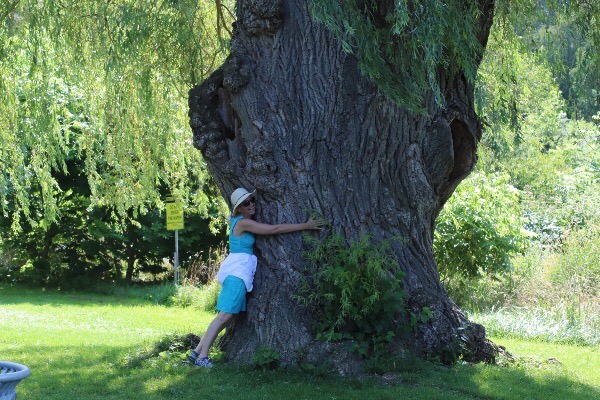
Nature is healing…
As a child my family adventures included camping in Algonquin Park in Ontario. Algonquin is a place of many different ecosystems and animal life - moose, deer, bear and wolves. Hiking 🥾 took us through so many different places of beauty and wonder. The tree tops...
Stephanie: Nature is healing…
As a child my family adventures included camping in Algonquin Park in Ontario. Algonquin is a place of many different ecosystems and animal life – moose, deer, bear and wolves. Hiking 🥾 took us through so many different places of beauty and wonder. The tree tops touched the skies, the tree roots showed strength as they held on along the river banks. More so, determination as new saplings grew out of the crack in the rock. As I have gotten older, and the world is more noisy, nature is my place of peace. I am a tree hugger & supporter. I plant trees instead of buying flowers. I sit by cascading waterfalls and along river beds for solitude. There is nothing else that can bring about this instant peace. I love and protect pollinators, turtles, penguins for my daughter, and wolves. We will continue to migrate more to natural areas as we near our retirement age.
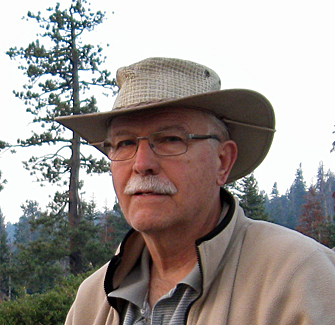
Lifelong Love of Nature
I've appreciated nature since I was a small boy living in an urban area. My parents grew up in rural areas and they made sure I understood about the importance of wild areas. As a result, I learned to backpack and took many trips into backcountry wilderness areas,...
Don: Lifelong Love of Nature
I’ve appreciated nature since I was a small boy living in an urban area. My parents grew up in rural areas and they made sure I understood about the importance of wild areas. As a result, I learned to backpack and took many trips into backcountry wilderness areas, where I saw and appreciated much wildlife. I organized and hiked the length of the John Muir Trail in the Sierra Nevada when I was 16 years old. All these activities fuelled my interest in wildlife generally. The result was my earning degrees in Zoology and wildlife biology. That is how I ended up in Alberta in 1970 to finish my graduate research at the U of Alberta. The job opportunities in Canada kept me in Canada for over 50 years (I became a Canadian citizen in 1975, not a dual citizen!). I have worked in wildlife conservation for most of my life, and wrote and published many articles for magazines, blogs etc. on a variety of conservation and wildlife subjects. I know the importance of conservation organizations in keeping governments’ and corporations’ feet to the fire for protecting essential wildlife habitat for our very existence. So, I support many through my donations.
As far as the future is concerned, I’m afraid I’ve become more pessimistic by the day. The human population on this planet is way too big, and yearly, we consume more renewable resources than the planet can replace. Wildlife populations and biodiversity generally has crashed as a result. But these realities are conveniently ignored by governments. I wrote a piece about the issue on my Substack site (https://donhmeredith.substack.com/p/surviving-the-21st-century). We can survive but it will take some major changes in human behavior that few people will be willing to make.
Sorry about being so negative, but you asked😊.
We Are All Interconnected!
From the time I was a child, I was taught to appreciate and respect nature and all life on the earth. My father taught us that this was the only home we were going to have so we need to take care of it, always! I was taught that we are all interconnected and must rely...
Teresa: We Are All Interconnected!
From the time I was a child, I was taught to appreciate and respect nature and all life on the earth. My father taught us that this was the only home we were going to have so we need to take care of it, always! I was taught that we are all interconnected and must rely on each other to survive and be the best we can be! I honestly don’t remember how I became involved in wildlife conservation- it’s been so long. Just putting into practice and action what I was taught as a child. I hope and pray that all humanity will realize how interconnected we humans and animals are and treat each other with the respect, dignity, care and well being that ALL are deserving of! Each has its place and purpose and we must work together to ensure that kindness and compassion for all life is at the very core of everything we say, think and do!
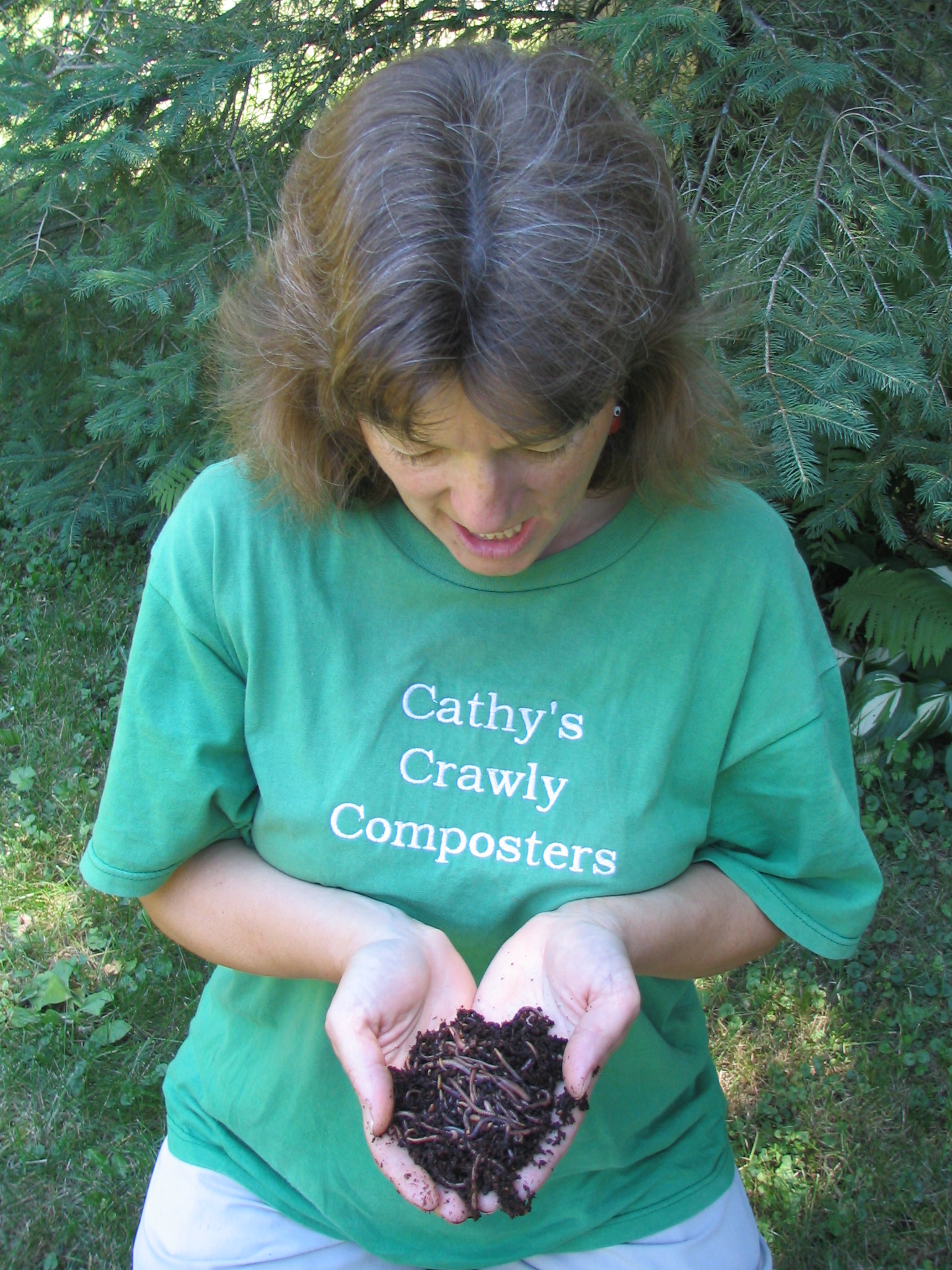
The Wonder of Worms
Composting is nature's way to convert food scraps and paper into nature's finest soil amendment. As an avid gardener and composter, I would see food scraps (aka future compost) everywhere. Except it was not usually future compost as it ended up in landfill instead. In...
Cathy: The Wonder of Worms
Composting is nature’s way to convert food scraps and paper into nature’s finest soil amendment. As an avid gardener and composter, I would see food scraps (aka future compost) everywhere. Except it was not usually future compost as it ended up in landfill instead. In 2002 the landfill for the Greater Toronto Area closed and Toronto’s garbage was shipped to Michigan. I had a solution, indoor composting with worms and I started, Cathy’s Crawly Composters. Selling worms by the pound was not easy as people don’t buy with they need, they buy what they want (Not everyone wants worms in the house – even for the love of the planet).
Education was required so I decided to do school workshops. To date over 100,000 students have been my inspiring presentations. I have met former students who were so moved by the worms that they went on to become Environmental Lawyers!
My hopes for the future include a populous excited about taking care of our beautiful planet. Getting out in nature, appreciating the majesty of it. It is awe-inspiring when we take the time to notice. When we are connected to something, we will protect it. Without awareness, action is impossible is one of my favourite expressions. If we don’t know the value of a tree, why would we care if it gets cut down?
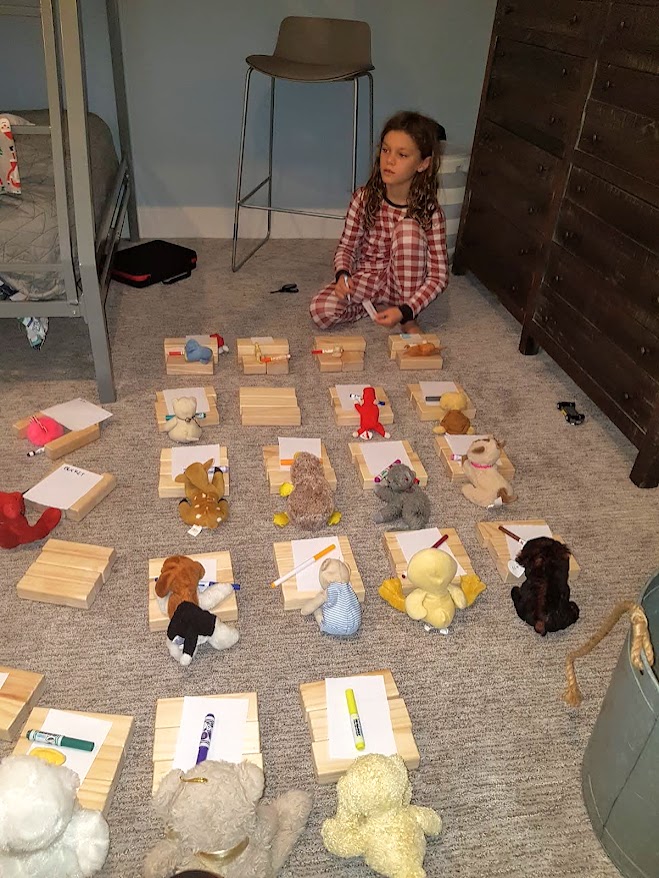
WWF Plushies
When my wife and I were looking for meaningful and impactful Christmas presents for (our then) young nephew and niece back in 2015 we stumbled upon the WWF plush toys. Since then, and "20 something" plush adoptions later we have seen both of them take a great pride in...
Ryan: WWF Plushies
When my wife and I were looking for meaningful and impactful Christmas presents for (our then) young nephew and niece back in 2015 we stumbled upon the WWF plush toys. Since then, and “20 something” plush adoptions later we have seen both of them take a great pride in the environment, connecting with nature, and protecting & championing animals. I asked my sister this past Christmas if we should still keep getting the plush animals for them or if they had outgrown it? Her immediate and joyous response was “You can keep getting them the plushies forever, they love them!!”
Wildlife and respect
I am a person from northern Canada who grew up going to our family camp in the woods pretty much every weekend. We used to have to haul our food and gear by backpack using the railroad and then through the bush to our camp. Back then there wasn't a road built. Winter...
J: Wildlife and respect
I am a person from northern Canada who grew up going to our family camp in the woods pretty much every weekend. We used to have to haul our food and gear by backpack using the railroad and then through the bush to our camp. Back then there wasn’t a road built. Winter months we broke trail with a couple of snow mobiles with trailers. During the spring/summer/fall seasons, the bears didn’t bother us. They respectfully stayed their distance as did we. I learned from a young age to respect and embrace the beautiful wild creatures around us. As well as how to live in harmony amongst them. They seemed to be more curious of us than we of them. The sounds of those incredible birds and wind through the trees was the best thing to listen to growing up. How the leaves crackled under your feet in the Fall, and the crunch of the snow in the winter. The incredible silence during those winter nights watching the northern lights and the billions of twinkling stars was a great experience. The powerful grace of the moose, deer and curiosity of the odd wolf we would spot on our trek was humbling.
When hiking the mountain trails near Canmore, AB we were tracked by a cougar. We heard the growls first then saw the pair of eyes in the trees. We had seen fresh tracks prior to this and had turned around to go back to the car. So we veered off the trail in a quick walk towards the ravine below and that seemed to make her happy and not bother us. Respected her warning growl and somehow we removed ourselves from her radar. But it really shook us up as she was literally 4 feet away for us on our trail. Another moment of learning and maintaining this mutual respect.
My home town eventually set up a habitat for polar bears that had drifted down on the broken off pieces glaciers and though they have set up a habitat and tourists are allowed to see them swim in their climatized pool, it breaks my heart that they are there and not free. They are treated well but it is disheartening all the same.
I have cycled Jasper to Banff twice and the things I saw that you cannot see while zooming by in a vehicle are breathtakingly stored in my mind forever. Like the mountain goats, that one grizzly leaving his steaming pile of “stuff” on the side of the road, to the owls and big birds of sorts, to the big elk deer we awoke to who had surrounded our tents during the night, not to mention all the little critters that came to sneak our food droppings away when not looking ;). The love I have for nature holds no bounds.
Climate change is a serious issue and these animals cannot adapt overnight to it if at all. I hope people will turn their hearts to the wildlife issues as they need our help. Plus giving makes a person feel they have a true purpose and that this is another way to pay our dues living off this wonderful land of theirs and it’s just the right thing to do, in my books.
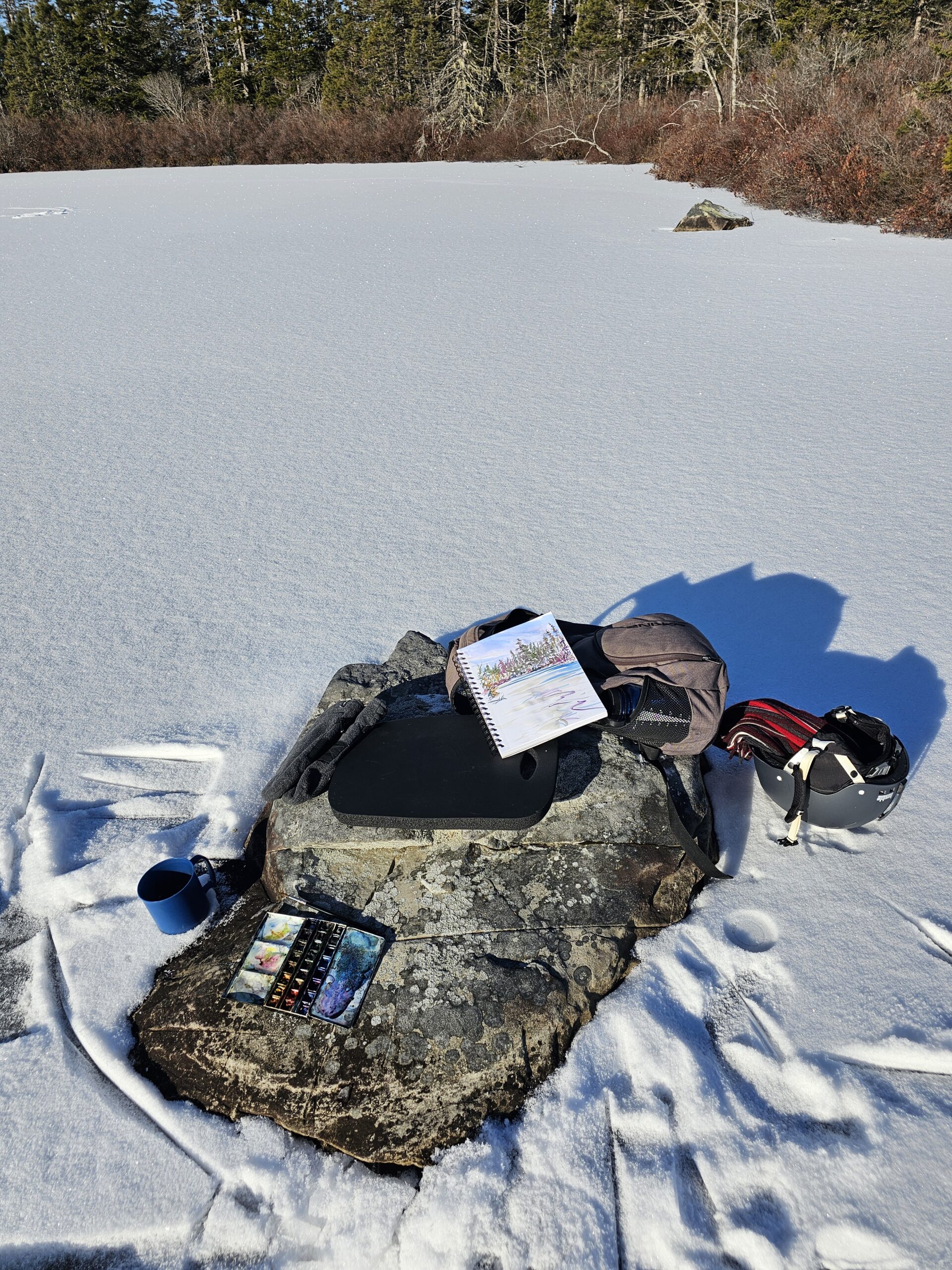
A simple perspective
Being a full time fine artist, I'm constantly in awe, simple balance of the natural beauty all around. Backyard sunsets were the first inspiration as a young teenager. That was a long time ago. Since that time, hiking with watercolours provides the starting point for...
Joel: A simple perspective
Being a full time fine artist, I’m constantly in awe, simple balance of the natural beauty all around. Backyard sunsets were the first inspiration as a young teenager. That was a long time ago. Since that time, hiking with watercolours provides the starting point for large studio canvases.
On almost all treks, birds, foxes, deer are regular visitors. Once I’m settled drawing,in the calm of the woods, that I’m no threat, brings the creatures back to the scene. I carry a bag to pick up any trash I find, often shells from hunters and beverage containers. Hard to believe that side of ourselves.
We need to strive for respect and balance. Achieving this is so difficult from one person’s perspective. This is why conservation groups are so important to give hope and accomplish goals for the larger good. Better planned developments, protected watersheds that is only the beginning. Making nature a priority in the political mandates. In these times your organization can make a difference. Thank you
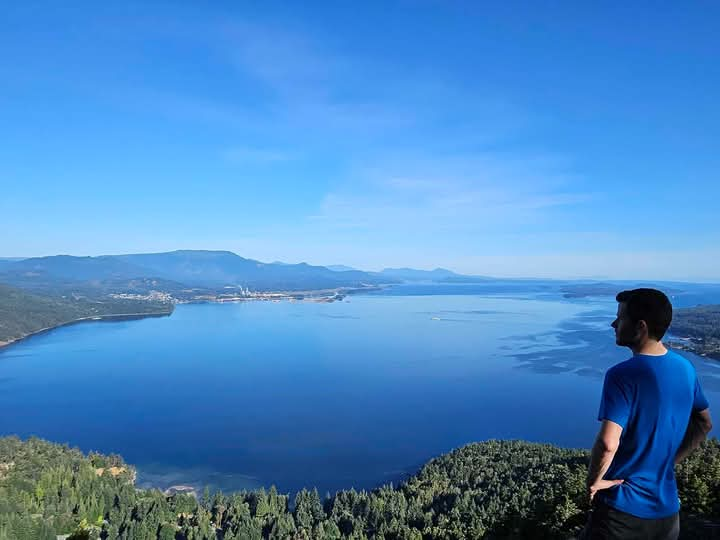
A Guest in Nature’s Serenity
Shortly after moving to Vancouver Island, I started trail running and developed a strong connection to the breathtaking landscape of Canada's West Coast. Whether I'm being serenaded by a symphony of chirping birds, stopping to run my fingers through a cold babbling...
Kevin: A Guest in Nature’s Serenity
Shortly after moving to Vancouver Island, I started trail running and developed a strong connection to the breathtaking landscape of Canada’s West Coast. Whether I’m being serenaded by a symphony of chirping birds, stopping to run my fingers through a cold babbling brook, or being accompanied by a curious Barn Owl, nature has given me the opportunity to rise above the stress of daily life to appreciate the beauty in my own backyard.
Immersed in the serenity of centuries-old trees and humbling views of the vast Pacific Ocean, I can’t help but feel like a guest. And, just as any polite house guest would, I need to show respect and gratitude for the kindness bestowed upon me.
So, when I decided to symbolically adopt a sea otter as a present for my nephew’s first Christmas, I did so with the hope that he would one day share my newfound passion for conservation. If he, too, understands that we need to take responsibility for the well-being of nature and wildlife, our future will be in good hands.
Animals are our best friends.
I lived in Holland as a child, near a farm where I often worked, helping milking the cows, bringing in the hay. We kept chickens and rabbits, giving us eggs and meat during the WW2, also a goat, giving us milk. I loved the animals and always admired your organization,...
Fred: Animals are our best friends.
I lived in Holland as a child, near a farm where I often worked, helping milking the cows, bringing in the hay. We kept chickens and rabbits, giving us eggs and meat during the WW2, also a goat, giving us milk. I loved the animals and always admired your organization, looking after wild-life.
I worked in Ghana, Nigeria and the Cameroun from 1953-1965, and we had a parrot, a dog and a monkey as pats, mainly for our 3 children, who were born in Lagos. In Canada we had a cat.
Now retired and enjoy seeing the deer behind our house on farmland and the birds on our cone-feeders. Thanks for inviting me to your web-side and good-luck with World-wildlife.
Lover of All Animals
Hello My appreciation for nature comes from when I was a child I spent every summer at my Grandma's house in The Prairies. My Grandma had a huge backyard which I called the farm with many beautiful birds whom would visit plus butterflies,ladybugs and various other...
Lesley: Lover of All Animals
Hello My appreciation for nature comes from when I was a child I spent every summer at my Grandma’s house in The Prairies. My Grandma had a huge backyard which I called the farm with many beautiful birds whom would visit plus butterflies,ladybugs and various other visitors. I have loved animals forever and believe we can do better as humans and should do better. I now walk my dog every morning and pick up trash so it’s not laying around for wildlife to get into. I recycle as much as I can and am very involved in animal rescues that are close to my heart. I have bears…bobcats…skunks…coyotes and racoons,that come and visit me in my backyard-LOL! So I am very aware of wildlife and do not believe in killing them because they are in your neighborhood-most of the time they are hunting for food. I love animals and I think that began with my Grandma’s love for blue jays when I was a child. I was also apparently delivered by a horse breeder/raiser/doctor whom wore cowboy boots to bring me into this world-so it really began at the beginning of my life.
A Glimpse into Life on the River
The first time I saw a River Lapwing, I was captivated. It was a whirlwind of motion, a flash of iridescent brow feathers against the backdrop of a rushing river. The way it darted and dipped, its sharp cries echoing through the valley, filled me with a sense of...
Sium Masud: A Glimpse into Life on the River
The first time I saw a River Lapwing, I was captivated. It was a whirlwind of motion, a flash of iridescent brow feathers against the backdrop of a rushing river. The way it darted and dipped, its sharp cries echoing through the valley, filled me with a sense of wonder. From that moment on, I was hooked. I spent hours observing these incredible birds, documenting their every move with my camera. I learned about their unique courtship dances, their intricate foraging techniques, and their delicate nests nestled amongst the river stones. But as I delved deeper into the world of these fascinating creatures, I also witnessed the threats they face – habitat loss, pollution, and the ever-encroaching human footprint. I realized that my passion for these birds extended beyond mere observation. I wanted to do something to help ensure their survival. My support for WWF-Canada is a testament to this desire. I believe in their mission to protect wildlife and restore nature. I know that by supporting their work, I am contributing to a collective effort to safeguard not just the River Lapwing, but countless other species and the delicate ecosystems upon which they depend. I hope that my photographs, and this small story, can inspire others to appreciate the beauty and fragility of these magnificent creatures and to join the fight for their conservation.
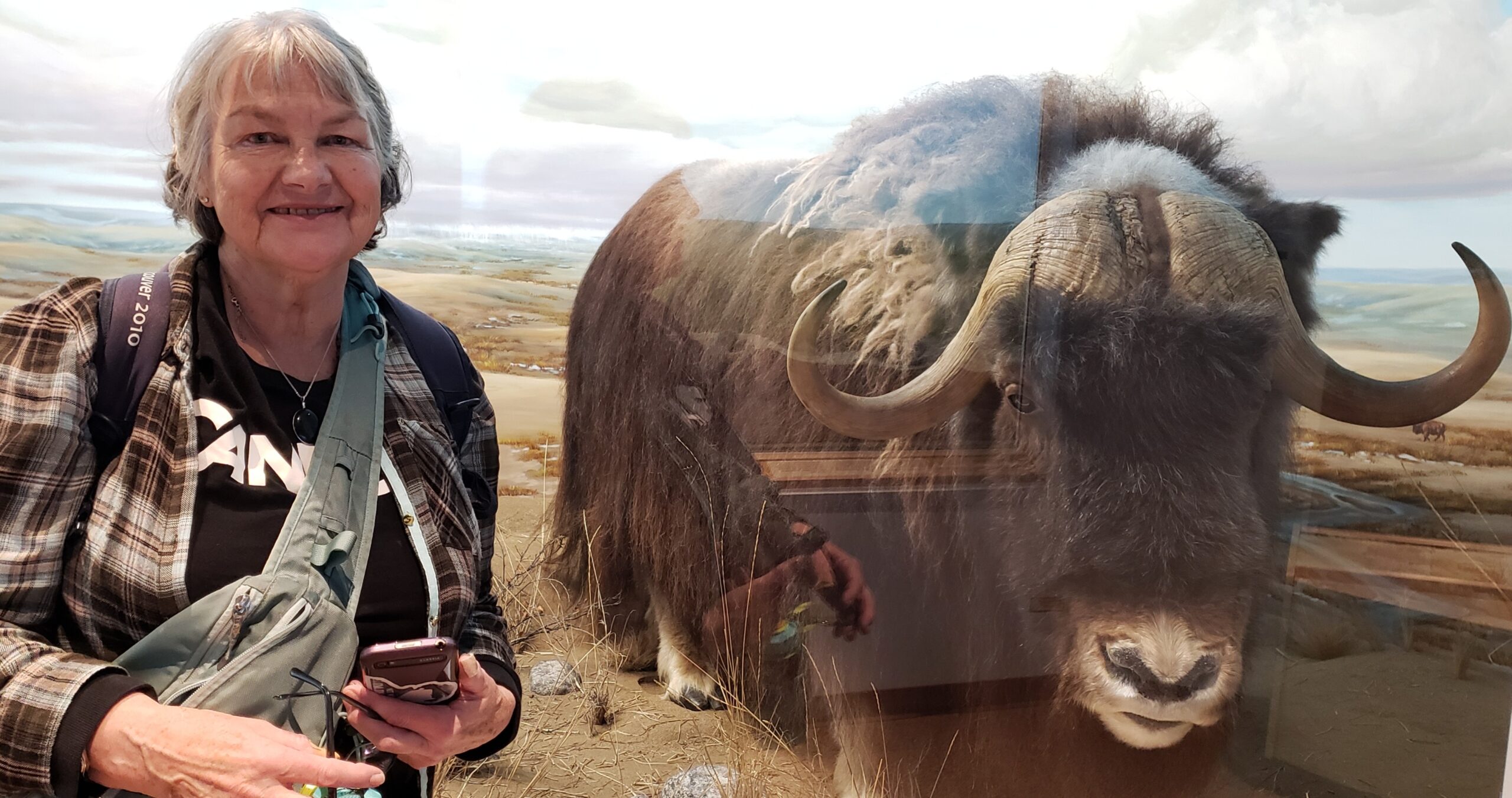
Musk Oxen – ancient warriors of the north
The first time I saw musk oxen was at the Yukon Wildlife Preserve just outside of Whitehorse. Impossibly shaggy and low to the ground, they looked like (and are!) something out of prehistory, when the earth was young. I was surprised at how small they are, how...
Trish: Musk Oxen – ancient warriors of the north
The first time I saw musk oxen was at the Yukon Wildlife Preserve just outside of Whitehorse. Impossibly shaggy and low to the ground, they looked like (and are!) something out of prehistory, when the earth was young. I was surprised at how small they are, how perfectly curved their horns are – ending with that warriors helmet, the great pale shag around their necks and their beautiful faces. I fell deeply in love with them. Since then musk oxen have come into my life in serendipitous ways – a beautiful Inuit carving, a sweet silver charm and of course, the stuffed musk ox toy who came with my gift to WWF when they had a special project to address musk oxen habitat loss. Umingmak, the bearded one, which is their Iñupiaq name, are ancient, among the few survivors of the mass extinction of the first Ice Age. They grazed their way across the Bering Sea Land Bridge from Siberia to Alaska as early as 200,000 years ago. Now, after standing strong and steady for millennia, their survival is in our hands, as the sea ice melt takes their habitat. Organizations like the World Wildlife Federation are the guardians at the gate, holding back the threat of extinction from so many species, including my beloved musk oxen. They are working to turn the tide. Please help if you can.
The photo was taken at the Yukon Beringia Interpretive Centre in Whitehorse.
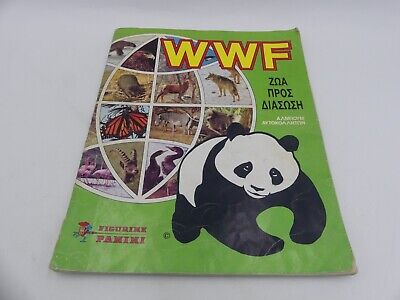
From A Sticker Book To Saving Animals
When I was 5 years old, my father bought me the World Wildlife Fund sticker book from the grocery store. It was a fantastic book as it not only had the sticker factor that every young kid loves, it also had tons of information about animals, the environment and even...
Taryn: From A Sticker Book To Saving Animals
When I was 5 years old, my father bought me the World Wildlife Fund sticker book from the grocery store. It was a fantastic book as it not only had the sticker factor that every young kid loves, it also had tons of information about animals, the environment and even little conservation projects young kids could do at home. I loved this book and read it many many times. On the inside cover was a message from WWF’s president at the time Monte Hummel. I proceeded to write him a letter; telling him that I liked animals, asking him if he was best friends with David Suzuki and other animal questions. He responded with a wonderful letter of his own that motivated me even further to help animals. For my childhood birthdays, I always asked for gifts that would help animals and the environment; symbolic deeds to acres of rainforest were a big gift at that time. As I grew older, my passion for wildlife continued as well as my correspondence with Monte Hummel. I am perpetually educating myself on conservation and animals. As a freelance photographer and graphic designer, I often make the cost for my services a donation to WWF’s conservation efforts in my name. I also regularly donate to organizations such as Gorilla Fund International and the Jane Goodall Institute.
My dream for our planet is that more and more people will educate themselves or be educated about every aspect of our natural world with the goal of better protecting its wild places; people need to realize that for every being on this planet to survive, we as humans need to form a better equilibrium with our planet and fellow animals. We need stronger regulations that punish illegal practices as well as addressing some of the socio-economic issues that cause these practices.
A Skunk Lady’s Tale
Back in the 1950s-70s, my parents' cottage up north of Huntsville, was on Bear Lake, with not great number of cottages and one entire side of the 3 mile lake total wilderness. The wilderness educated us with the miracles of flora and fauna. We played in it and always...
Laurel: A Skunk Lady’s Tale
Back in the 1950s-70s, my parents’ cottage up north of Huntsville, was on Bear Lake, with not great number of cottages and one entire side of the 3 mile lake total wilderness. The wilderness educated us with the miracles of flora and fauna. We played in it and always found find something amazing to bring home and learn more about.
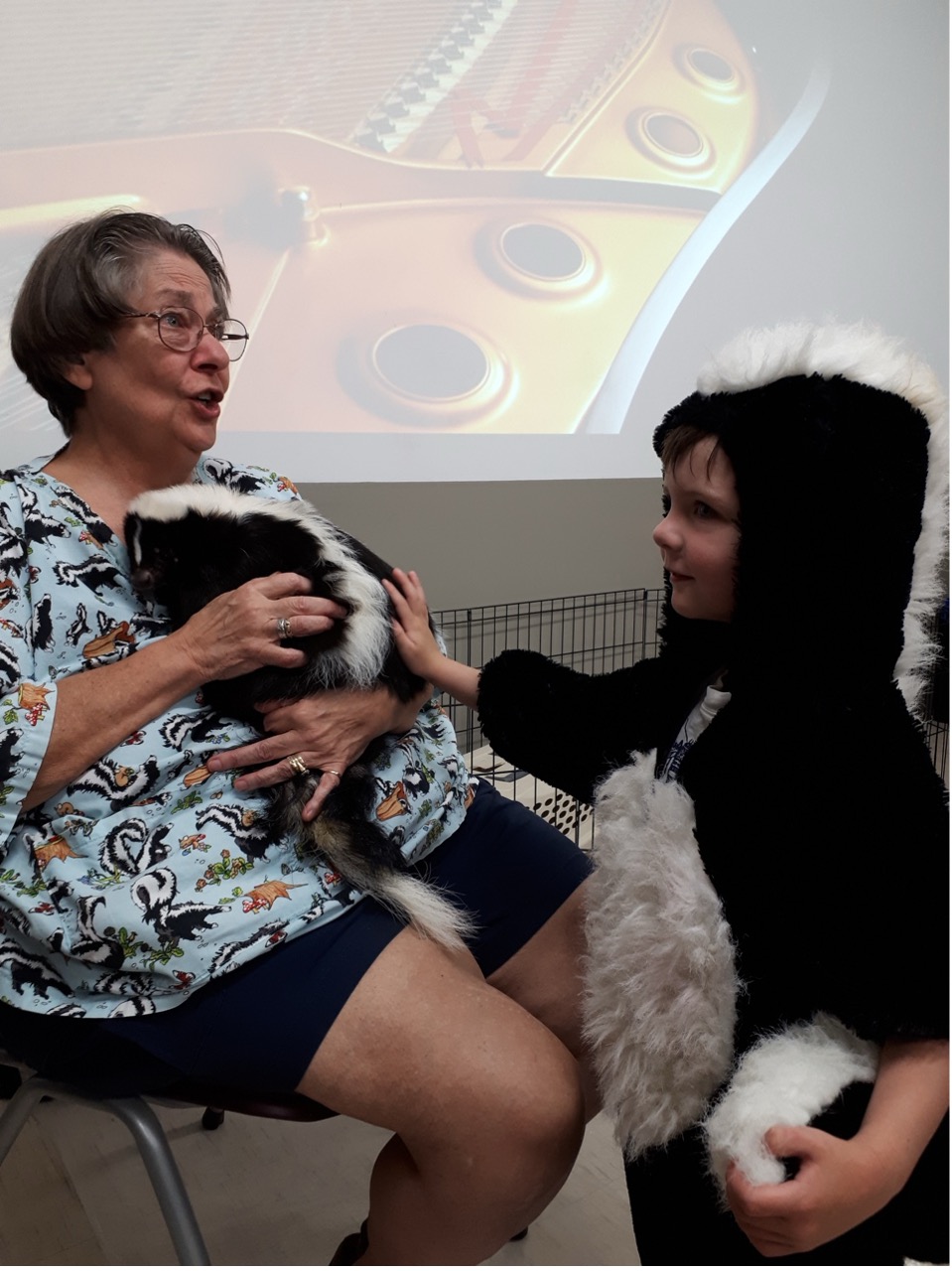
About 45 years ago here in Tillsonburg, I found two orphaned, eyes closed, baby squirrels in the middle of the road. No nest was visible. I gathered them up and had no idea what to do. No internet, no computers, no idea who to call and no money to go to a veterinarian. I muddled through using common sense. They lived and were released. This was the beginning of not only a love of wildlife but a volunteer career of rescuing, rehabilitating and releasing orphaned wildlife. Squirrels, raccoons, opossums, and finally due to health problems, an easier animal for me to care for, skunks! Yes, I have been the Skunk Lady of Tillsonburg, Ontario for decades, and love it. Although today I can no longer physically care for wildlife, I still do presentations on wildlife, ecology, climate change, etc, with Slider Comfort, our permitted [under the MNR],educational, paraplegic, four year old skunk. Audience pay much more attention when you present them with a live skunk! I like to wait to tell them she is descended….teehee. That always keeps the kids quiet! Teaching the public how to share the wildlife neighbourhoods we build our homes helps both humans and wildlife. Once people learn about the life and limitations of skunks they are stunned how easy it is to learn to live with them in the neighbourhood. The love of wildlife has been an ongoing journey of love that will never end. It has been a great honour and privilege to be a volunteer wildlife rehabilitator.
Natures room
Animals, nature, is what we need to breathe, to exist. Nature has its own language with us giving us that room away from all hardships in life, an escape really. Nurtures our emotional health and mental well being. Each of us holds a special uniqueness with it making...
Kim: Natures room
Animals, nature, is what we need to breathe, to exist. Nature has its own language with us giving us that room away from all hardships in life, an escape really. Nurtures our emotional health and mental well being.
Each of us holds a special uniqueness with it making our bond so beautiful.
We can share our experience during our interaction with nature or just simply soak it up making it one on one, personal. Nature shows us just how much God loves the world, he created it to benefit the planet and us as well. Humans need to understand the delicate fragile beauty this gift is for us, and our planet, to understand more, to love and respect how every species of animal insect and plant holds it’s unique role and purpose.
I am just an observer, I will be the voice for animals etc if I am needed.
My role here is to love help and advocate for our earths beauty.
We cannot exist without it.
Bring Joy Into Your Life
2 years after high school graduation I set out from Vancouver to sail to Australia where a zoo keeper asked me to assist him in feeding the animals. So, I got to hold a Koala and to this day 64 years later I have not forgotten the experience and that set me up to...
George: Bring Joy Into Your Life
2 years after high school graduation I set out from Vancouver to sail to Australia where a zoo keeper asked me to assist him in feeding the animals. So, I got to hold a Koala and to this day 64 years later I have not forgotten the experience and that set me up to becoming an animal lover. In 1980 at a camp site in front of a large group I sat on the ground and called out a ground hog which came over to me and took an apple out of my mouth and ate it while I put my hat and sun glasses on him
and petted him to the amazement of the group.
I love all wild life, whether it be animals or birds, etc.
All my love for these creatures big and small bring joy, laughter and entertainment and I believe we should all do what we can to protect wildlife for future generations to enjoy.
The Monkey Within
My appreciation for nature began when I was born in the Year of the Monkey, a connection that has stayed with me throughout my life. As a child, I had a painting made of a monkey that captured my fiery energy, with long smudges of yellow, orange, and red paint. The...
Janine: The Monkey Within
My appreciation for nature began when I was born in the Year of the Monkey, a connection that has stayed with me throughout my life. As a child, I had a painting made of a monkey that captured my fiery energy, with long smudges of yellow, orange, and red paint. The way this monkey saw me—full of energy and spirit—became something I cherished deeply.
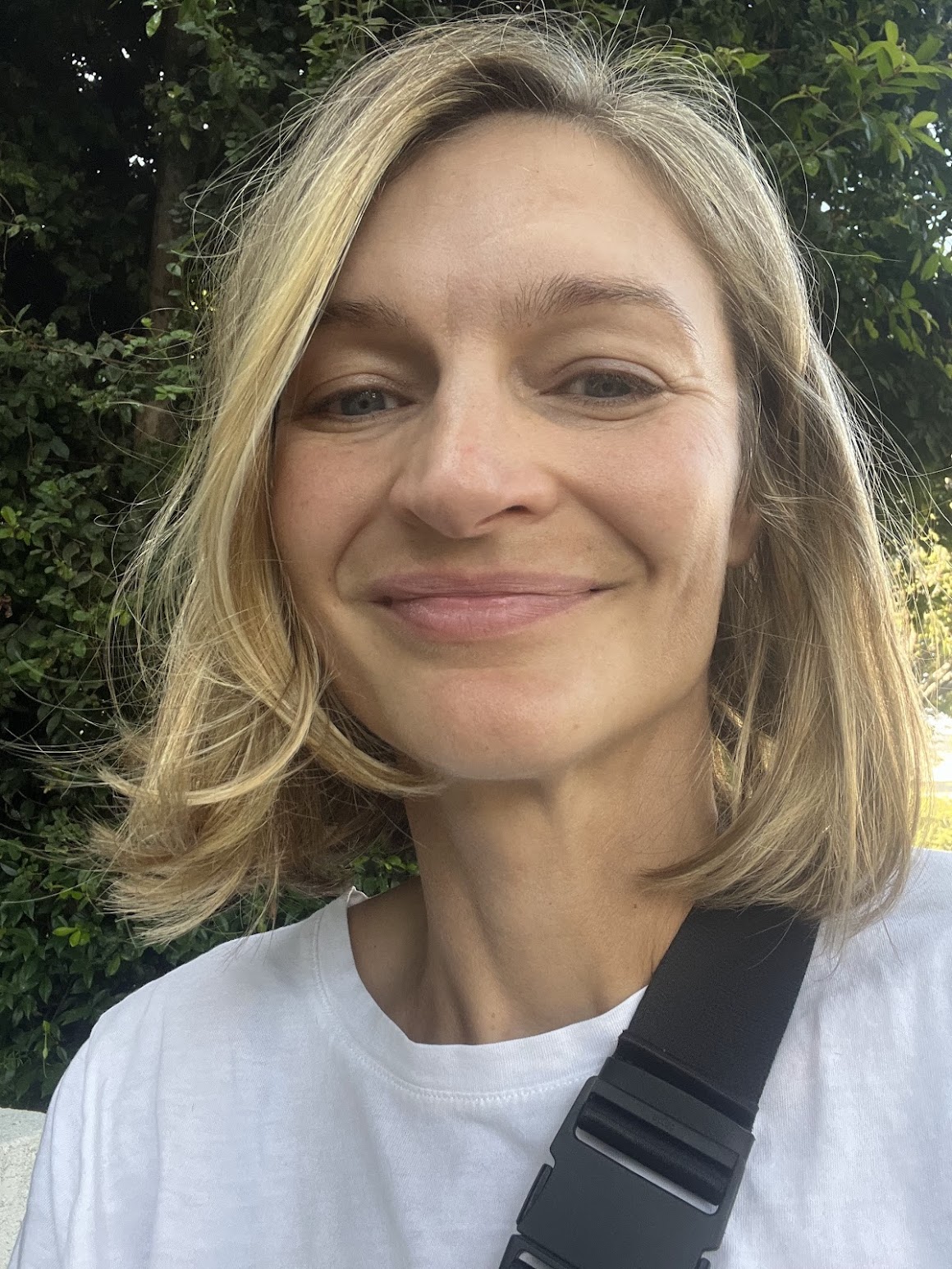
To honour that fiery spirit, I began adopting a monkey through WWF for every stunt job I secured. It felt like a way of giving back, a celebration of the energy I saw in myself. Now, as I pursue my writing career, I continue this tradition, donating for every writing job I secure. Although I’m still building my career as a writer rather than a stunt person, my hope is that there will be so many opportunities ahead that I’ll be able to adopt all the monkeys, ensuring that my passion for nature and conservation continues to grow alongside my career.
For the future of the planet, I hope we all find ways to honour our connections to the natural world, whether it’s through small acts or grand gestures. The future is full of potential, and I believe that with each step we take, we can contribute to a more sustainable, compassionate world for wildlife and humanity alike.
Planet Earth is the one and only home we have, Let’s treat it well…
I’ve been always in love with nature. The positive vibes I take from nature and animals is beyond the word. But I am worried about our planet, animals, and natural resources. I am worried about the generations who come after us having nothing left from Universe-given...
Sadaf: Planet Earth is the one and only home we have, Let’s treat it well…
I’ve been always in love with nature. The positive vibes I take from nature and animals is beyond the word. But I am worried about our planet, animals, and natural resources. I am worried about the generations who come after us having nothing left from Universe-given blessings and gifts. It’s our responsibility as humans to do our best, preventing our vulnerable planet from being more damaged. Why should coyotes in our city be killed because of the mistakes our people did by feeding them? Why are icebergs melting because of global warming which is the result of our factories and industries? Why are seas the dumping ground of our waste? Why do we use cars more than walk? Why more meat than more veggies in our meals? Why real fur instead of faux fur for our clothes? Why not less demand and less supply? I start my morning with these questions and find peace by doing things right at least around myself , my family and neighbourhood. If everyone thinks the same way, the planet could live better too.
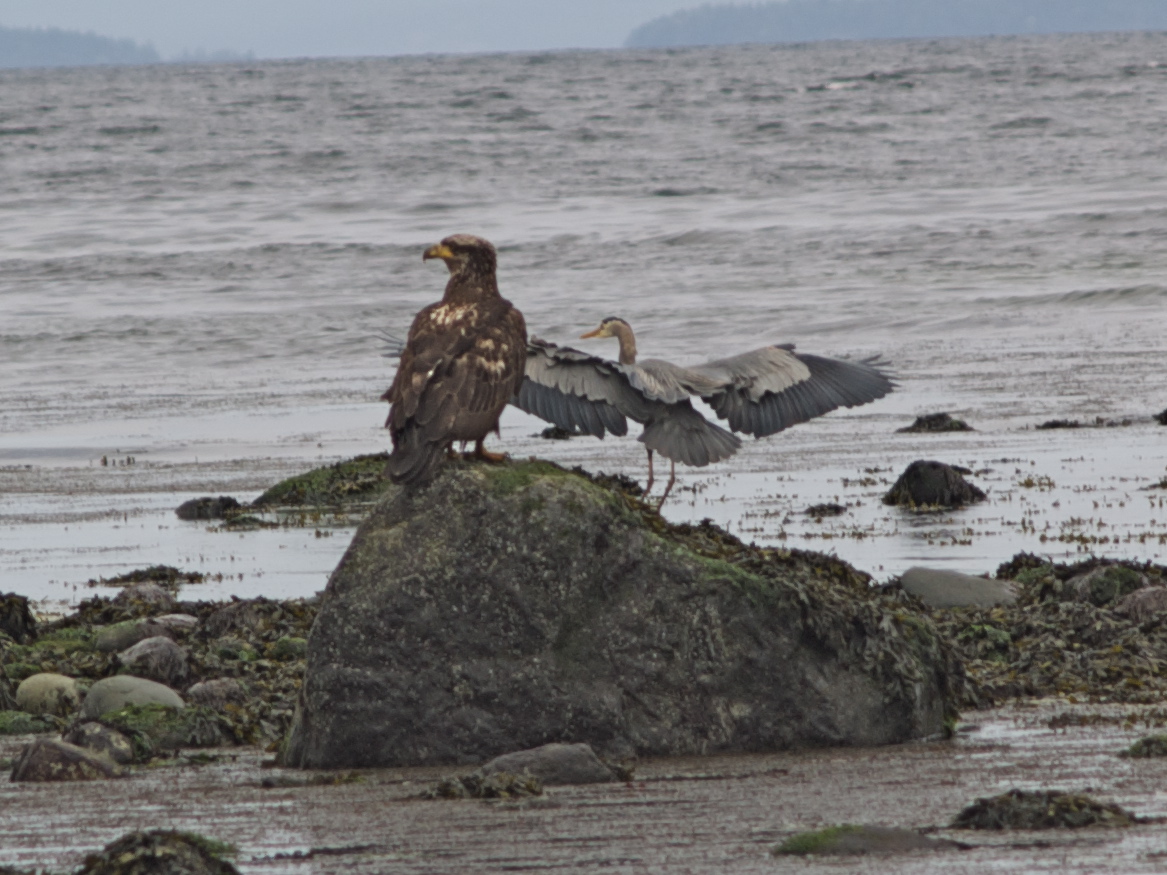
Drew: Blue Heron & Eagle at Parksville – May 2011
Nature lover – A 50 year story
My appreciation of the animal world began with my father and mother who both grew up on farms. We’d visit my grandparents farm and my dad’s brother’s farms they had horses, cows, chickens and sheep. It was the best of times. Mom showed us how to feed baby sheep. Grow...
Audrey: Nature lover – A 50 year story
My appreciation of the animal world began with my father and mother who both grew up on farms. We’d visit my grandparents farm and my dad’s brother’s farms they had horses, cows, chickens and sheep. It was the best of times. Mom showed us how to feed baby sheep. Grow a garden. My dad loved animals. Such as bear, deer, bighorn sheep and polar bear. My parents travelled by camping from Alaska to Nova Scotia. Bringing back stories of animals they saw. Like a moose walking through their campsite in Jasper. My daughter would like to travel to Alaska now. She’s also a animal lover, has a dogs, cats, turtle on her farm. My hope for the future is to become monthly donor of various animal charities. The world is not the same place my parents grew up in. With help maybe we can bring it back.
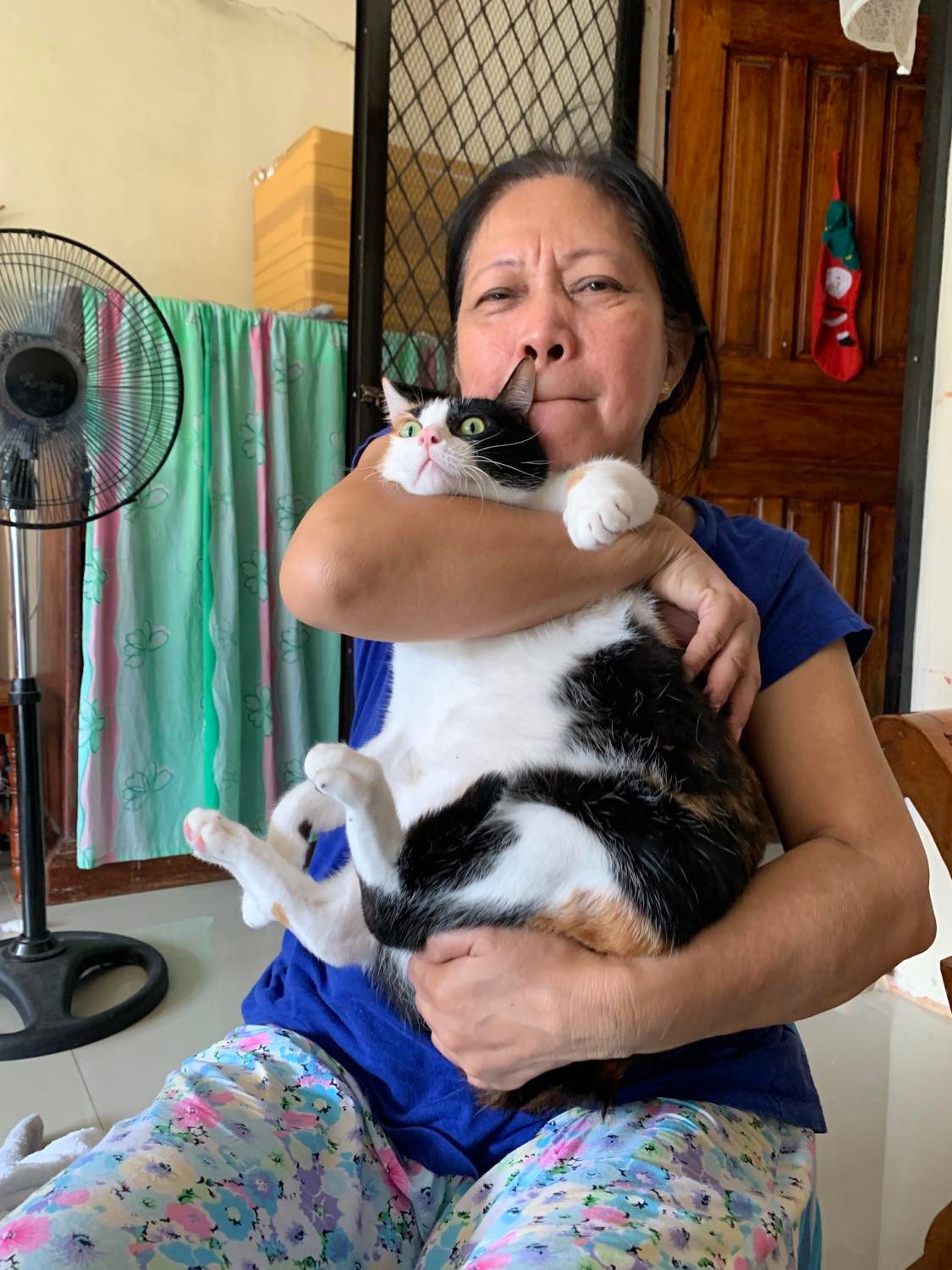
From Juancho to Ming-Ming: How Love for Animals Shaped My Life
My appreciation for the natural world was inspired by my upbringing, particularly by my mother, who instilled in me a love for animals and nature from a young age. Even as a child, I've had a special place in my heart for animals. When my family got a dog named...
Rolando: From Juancho to Ming-Ming: How Love for Animals Shaped My Life
My appreciation for the natural world was inspired by my upbringing, particularly by my mother, who instilled in me a love for animals and nature from a young age. Even as a child, I’ve had a special place in my heart for animals. When my family got a dog named Juancho, I loved him deeply. And when he passed away, it only strengthened my love and appreciation for animals.
Growing up in a small mountainous province in Isabela Region 2 in the Philippines, I was fortunate enough to see wild animals in their natural habitat near the river; this experience only strengthened my connection to the natural world. But over time, I noticed that the wildlife was disappearing, which broke my heart. I knew that the ecosystem and wildlife were an essential part of the world, and it saddened me to see it declining. As I grew older and learned more about the threats facing the environment and wildlife, I knew that I had to take action to help preserve and protect them. This led me to become involved in wildlife conservation, starting with small actions like supporting foundations like WWF-Canada and learning more about ways to live sustainably and reduce my impact on the planet.
My love for animals wasn’t just limited to wild creatures, though. My mother had a soft heart for abandoned kittens, and her kindness and compassion for these helpless animals inspired me to follow in her footsteps. I was grateful for the opportunity to help raise these cats and give them a loving home.
Over the years, my family adopted several kittens, and each one had a unique name and personality. Ming-ming was the oldest, having been with us for almost nine years. Coco, Martin, Eloy, Hugo, Sadori, Grey, and Chani were the latest additions to our family. We loved each one of them and saw them as valuable members of our household.
My upbringing has had a significant impact on my values and worldview. I’ve learned to be kind, generous, and loving not just to humans but to all creatures great and small. I believe that it’s easy to love and care for animals and that it’s important not to be cruel to them.
In conclusion, my story is a testament to the power of love and compassion. My experiences growing up with animals have taught me valuable life lessons that I carry with me to this day. I hope to inspire others to treat animals with kindness and respect and to appreciate the beauty of the natural world. My hope for the future of the planet is that we will continue to work together to protect and restore the natural world. I believe that every individual has a role to play in this effort, whether it’s through supporting conservation organizations, living sustainably, or advocating for policies that protect the environment.
I hope that future generations will be able to enjoy the same beauty and wonder that I experienced growing up, and that we can create a world where humans and animals can thrive together in harmony. Ultimately, my goal is to inspire others to appreciate the natural world and to take action to protect it, so that we can build a brighter future for all.
It is a Family Affair
From the moment my son was born he was fascinated with nature. As soon as he could walk he inspected dirt, grass, the sky and waterfronts for bugs, frogs, fish and birds. We would get to the end of the driveway and walk no further because ants were busily at work and...
Leah: It is a Family Affair
From the moment my son was born he was fascinated with nature. As soon as he could walk he inspected dirt, grass, the sky and waterfronts for bugs, frogs, fish and birds. We would get to the end of the driveway and walk no further because ants were busily at work and he just had to watch. When we went to the library it wasn’t stories he checked out, it was animal encyclopedias. Today he has his PHD and completed his thesis on stickleback fish. He and his wife have passed this love of nature to their children. My daughter-in-law takes care of the environment by being very thoughtful of products she uses. She reuses items brilliantly. My daughter has instilled the responsibility of caring for nature in her children, especially her daughter. She has taught her kids the importance of reducing our footprint on this world. They walk where they can, they reuse what they can, they buy used items and recycle what they can. They waste very little. I grew up hearing that we were to care for animals and the world around us. My children have done even more than I could have imagined to support the world around them. If my great grandchildren step up, as my children and grandchildren have, then world will be in good hands.
The Most Incredible and Diverse Animals on Earth
My story is simple. My life did not feel particularly fulfilling or happy. One year I was given a Point-and-Shoot camera. I was eager to try it out and decided to try taking a photo of a bee in flight. I thought that it wasn't half bad. I decided to take a class. The...
Lesley: The Most Incredible and Diverse Animals on Earth
My story is simple. My life did not feel particularly fulfilling or happy. One year I was given a Point-and-Shoot camera. I was eager to try it out and decided to try taking a photo of a bee in flight. I thought that it wasn’t half bad. I decided to take a class. The instructor sent us out to try our best. He told me that I wouldn’t get anything with my cheap camera so I was delighted when others thought that I had a super shot and the instructor admitted that it was excellent. In fact, it was the only good shot! It was easy to find insects to photograph and I became enamored. I began to realize how beautiful and intricate they were and how important they are to our survival. I fell in love with these little animals that so many others dislike because they don’t understand them. I’ve learned so much and developed more of an appreciation for all animals but honestly, I think insects and other arthropods, rule the world. They are the most diverse and prolific. They have been around for over 300 million years (some much longer) and you can find them in every continent. They have amazing cultural systems and each knows their role. If man disappeared tomorrow, the insects would survive but if man destroys the insects, he would be doomed.
Swiss Cheese
I spent my youth in Cameroun, Africa where I was overwhelmed with the diversity of the wildlife, especially since my family was coming from sterile California, USA. In Cameroun, I had to be constantly on the lookout for some sort of wildlife. My peripheral vision...
Sharolyn: Swiss Cheese
I spent my youth in Cameroun, Africa where I was overwhelmed with the diversity of the wildlife, especially since my family was coming from sterile California, USA. In Cameroun, I had to be constantly on the lookout for some sort of wildlife. My peripheral vision became highly developed for insects and and animals in my vicinity. What I saw there was that nature was full of life with every living being filling a niche and a role, and although it was mighty, it was fragile as well. At that time the government was expanding its logging capabilities of the surrounding forests where we lived as the thinking was that nature was there for the taking, and that it was so large, it would recover. I realized then that if everybody thought that, they would take all until it was all gone.
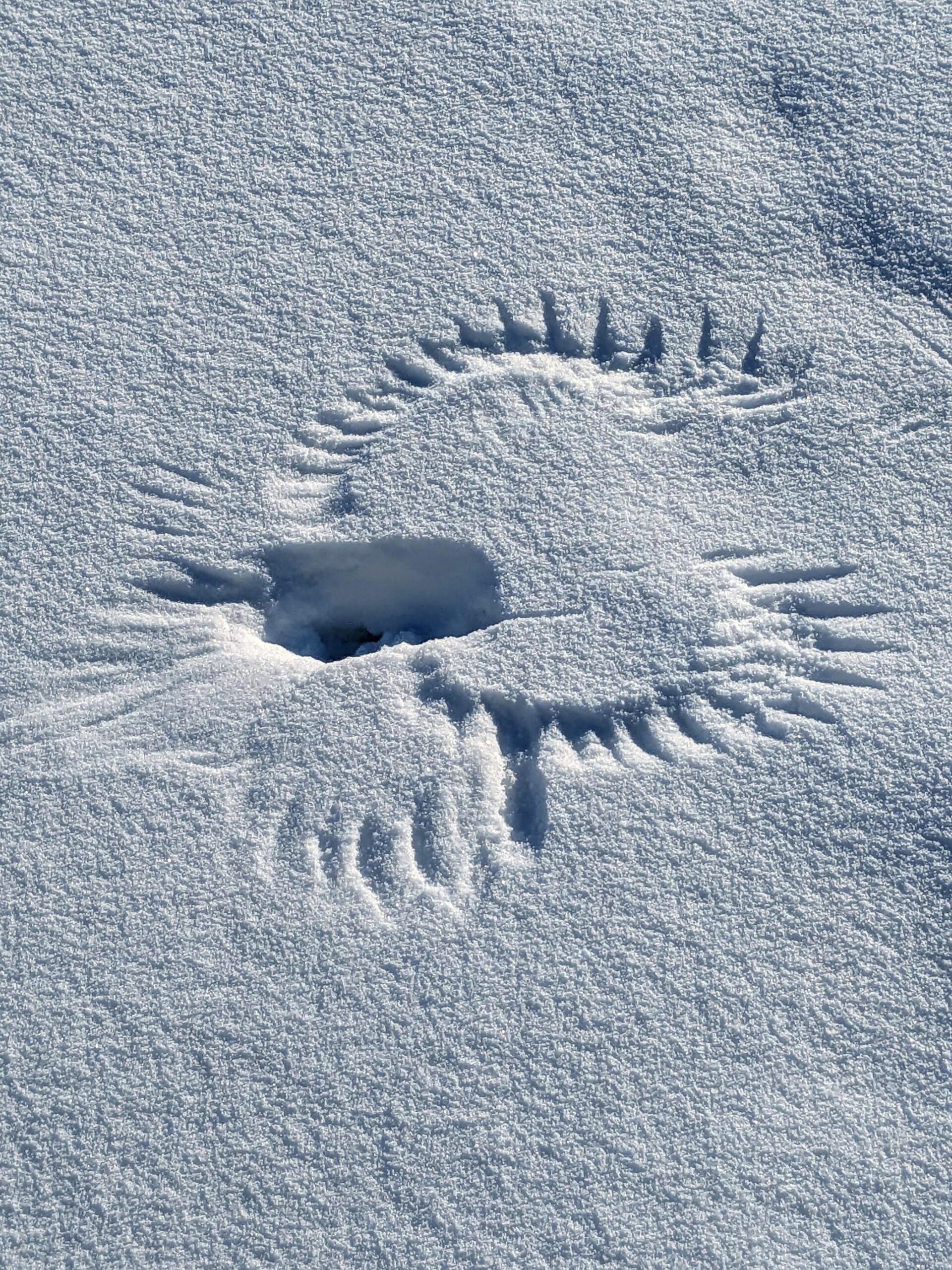
Water Matters
I'm a farm girl and grew up during the DDT era where we saw few raptors. Occasionally we'd see an owl or a hawk, and remember seeing a snowy owl on a tree once. Over the decades we'd see more raptors, and finally they've made a comeback which means that science and...
Laura: Water Matters
I’m a farm girl and grew up during the DDT era where we saw few raptors. Occasionally we’d see an owl or a hawk, and remember seeing a snowy owl on a tree once. Over the decades we’d see more raptors, and finally they’ve made a comeback which means that science and banning chemicals works. I took pharmacy at university and thought I wouldn’t be able to work behind a counter after being diagnosed with MS, so worked in a toxicology lab, I understand the science behind chemical bans. I was the water analyst for Alberta and we’d get samples of live fish in the toxicology lab that looked like they had acid poured on them, and their tumours were terrifying. Water matters. Everything we pour onto the earth affects our water. Above is a picture of an owl imprint in the snow.
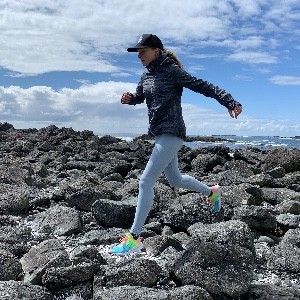
Born In The Wilds; Ocean & Nature Lover; Generational Commitments Into The Future To Ensure A Planetary Future
I was born into a life in which wildlife & nature were part of everyday life. My early childhood was spent on the Zambian/Congo border, on a small strawberry estate, 13 miles from the town where I went to school, with my afternoon & weekends spent mostly with local...
S.: Born In The Wilds; Ocean & Nature Lover; Generational Commitments Into The Future To Ensure A Planetary Future
I was born into a life in which wildlife & nature were part of everyday life. My early childhood was spent on the Zambian/Congo border, on a small strawberry estate, 13 miles from the town where I went to school, with my afternoon & weekends spent mostly with local children, & surrounded by mostly non-predatory wonder creatures such as vervet monkeys, bush babies & gazelles. We climbed trees & wandered in the luscious & verdant surrounds. Sometimes I stayed the afternoon with classmates, with my father picking me up after work, but even in this surprisingly cosmopolitan British ex pat town, wildlife could be found on the streets. Yes, there were snakes, too, & other wild life one wanted to steer clear of but the attitudes held from my grandmother, through to my parents, to me, was that all life forms are connected & should be valued & respected. On immigrating from landlocked Zambia at 10 with my family to South Africa, my love of nature expanded to the oceans that were there before me. We moved a fair bit but we always located in ocean cities. This loving of nature attitude is in the DNA, also carried on to my son —who was taken by me to an ocean spot as soon as I could in the very first days of his life — & now onto his children. The family of four now live happily in an ocean village on the west of Vancouver Island, where one can often see wild life making a life too among the human inhabitants. One can spot bears fairly often, wolves too, coyotes & lots of deers, often munching in one’s garden! One of my grandchildren, just 10, envisions a life as a zoologist or wildlife vet, the other at 13 did the 2022 WWF run to restore nature, making it to number 3 on the leader border, raising $1808. A sizable sum, especially as she was in mostly a top group of adults with a fair number of corporate donors. I was her fundraiser & luckily has friends world wide, who supported her & the WWF. As a fairly young child, she referred to fellow primates as her cousins. She certainly is good family! Her brother initiated a rescue of an abandoned husky pup from the desert climes of Qatar last July.This much loved dog knows how extremely lucky he is to have landed with the animal & nature loving family, in a climate region far better suited to having a heavy coat. I have long been a supporter of WWF, as well as of groups helping to protect the Amazon rainforest. Both my grandchildren are delighted at being associated with the donations to these various conservation projects. They now have the generational family conservation baton firmly in their hands, & in all likelihood will run again to restore nature in the future, again in a threesome of my son, & grandson to accompany my granddaughter in solidarity. Another good way to support WWF is buying gifts at their shops. My granddaughter has a number of their great wildlife socks, which she loves & my grandson a rainproof jacket, perfect for living on the Wild West rainforest coast. Written by S Fuller, a primate, currently living in Vancouver en route to the VI west coast.
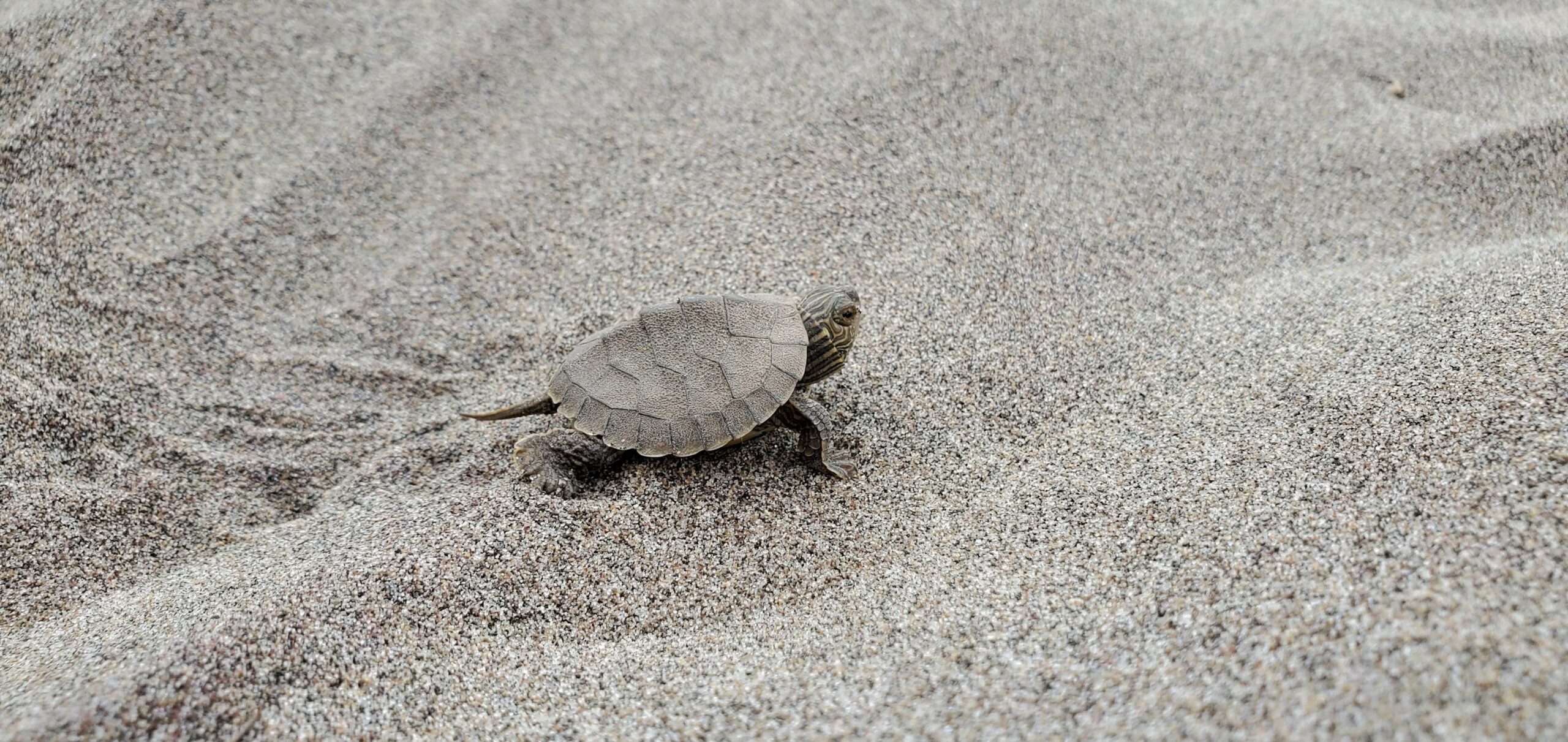
There’s at Least One Sea Turtle Out There
I was introduced to the concept of wildlife conservation way before I could comprehend its meaning. When I was 7 years old, I visited Shell Beach, in South America. There, my aunt and her husband worked with WWF to protect the endangered species of the leatherback sea...
Avita: There’s at Least One Sea Turtle Out There
I was introduced to the concept of wildlife conservation way before I could comprehend its meaning. When I was 7 years old, I visited Shell Beach, in South America. There, my aunt and her husband worked with WWF to protect the endangered species of the leatherback sea turtle.
The beach, along the coast of the Atlantic Ocean, was a spot where leatherback sea turtles would often lay their eggs. I remember seeing the huge eggs in a deep hole in the ground and thought it was fascinating and I am still curious to this day about what the egg feels like. A few days later, the eggs hatched and I had the once-in-a-lifetime experience to see the baby turtles emerge from their shells and make their way to the ocean.
Fast forward to May 2021, I was on a beach at Long Point Provincial Park when I notice some tiny prints in the sand. I followed it with my eyes and saw the tiniest baby turtle I’d ever seen trying to make its way to the water. My heart leaped out of my chest and I instantly got worried for the baby turtle because the beach was quite busy.
Children and their families were stomping and playing around, not noticing the little turtle trying to make its way to Lake Erie. Some children were also really captivated by the turtle and I knew I had to step in to protect this baby. With the help of their parents, I was able to ensure that the children didn’t touch the turtle or try to pick it up. I stuck by its side, gently guiding it with the sand toward the water because the turtle kept going in the direction of where a family was playing with a beach ball. I knew if it went that way, the turtle would be in danger.
After what felt like hours, but was about 40 minutes, the baby turtle made it to the water safely.
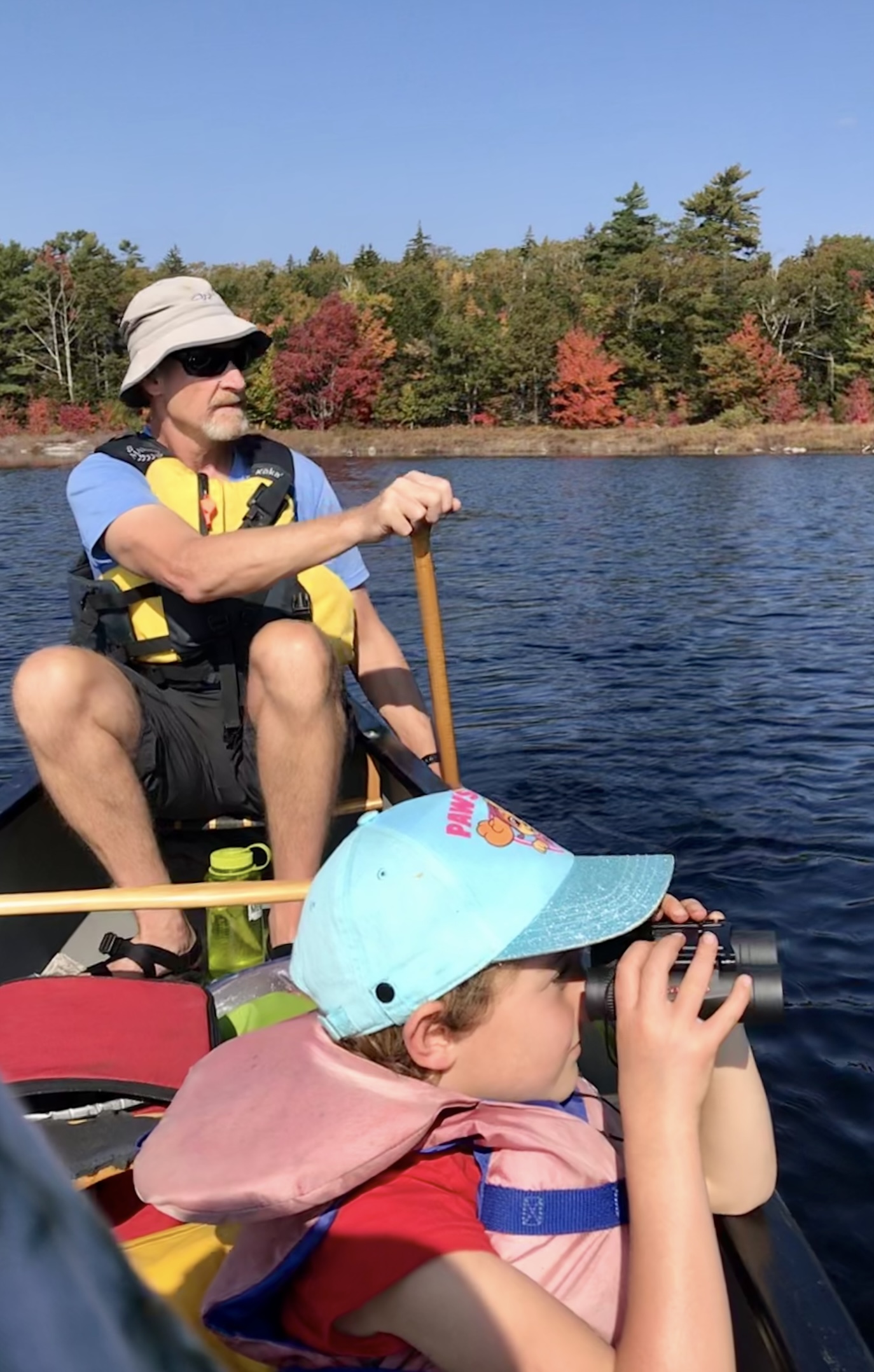
Paddling for the future
My hubby and I are nature lovers, and always have been since we were kids. Our first date was in a canoe, and during the last 20 plus years we have enjoyed numerous remote canoe trips paddling the incredible crystal clear waters of the Churchill River system in...
Judy: Paddling for the future
My hubby and I are nature lovers, and always have been since we were kids. Our first date was in a canoe, and during the last 20 plus years we have enjoyed numerous remote canoe trips paddling the incredible crystal clear waters of the Churchill River system in Saskatchewan’s great north. On our trips over the years, we’ve travelled the waterways that the First peoples navigated and shared with others . Paddling those rivers and lakes we have had some beautiful encounters with families of river otters, black bears, moose, coyotes, martin’s, weasels, voles, raccoons, porcupines, wolves, beavers, loons and many other waterfowl. The moments we’ve spent around a campfire listening to a chorus of coyotes or wolves howling, the mornings we’ve woken to forest bird song, and the unexpected haunting loon calls at all hours of the day, are all such memories we will cherish forever. They have imprinted in our DNA, our hearts, and our minds and we have passed those along to our children, and now our granddaughter. It’s been wonderful taking her out in the canoe with us on adventures since she was old enough to sit by herself in the canoe, and it’s so amazing now to see her put her own paddle in the water, and tell us she can feel the difference of how the water affects her paddle when there’s current in the river. We’ve donated to WWF for a long time now, and our wish for the future is that all generations have the opportunity to experience the natural and untouched beauty of remote places, and other magical forests in this world. We hope that there are no more industry accidents that spoil the future for all sentient beings, and creatures of the Earth. We also hope that WWF continues to aid and support wildlife conservation and help preserve our forests, wetlands and endangered species. Our climate is still threatened and our current lifestyles and forest practices are not sustainable. We all need to do our part, to ensure the future of all creatures and humanity.
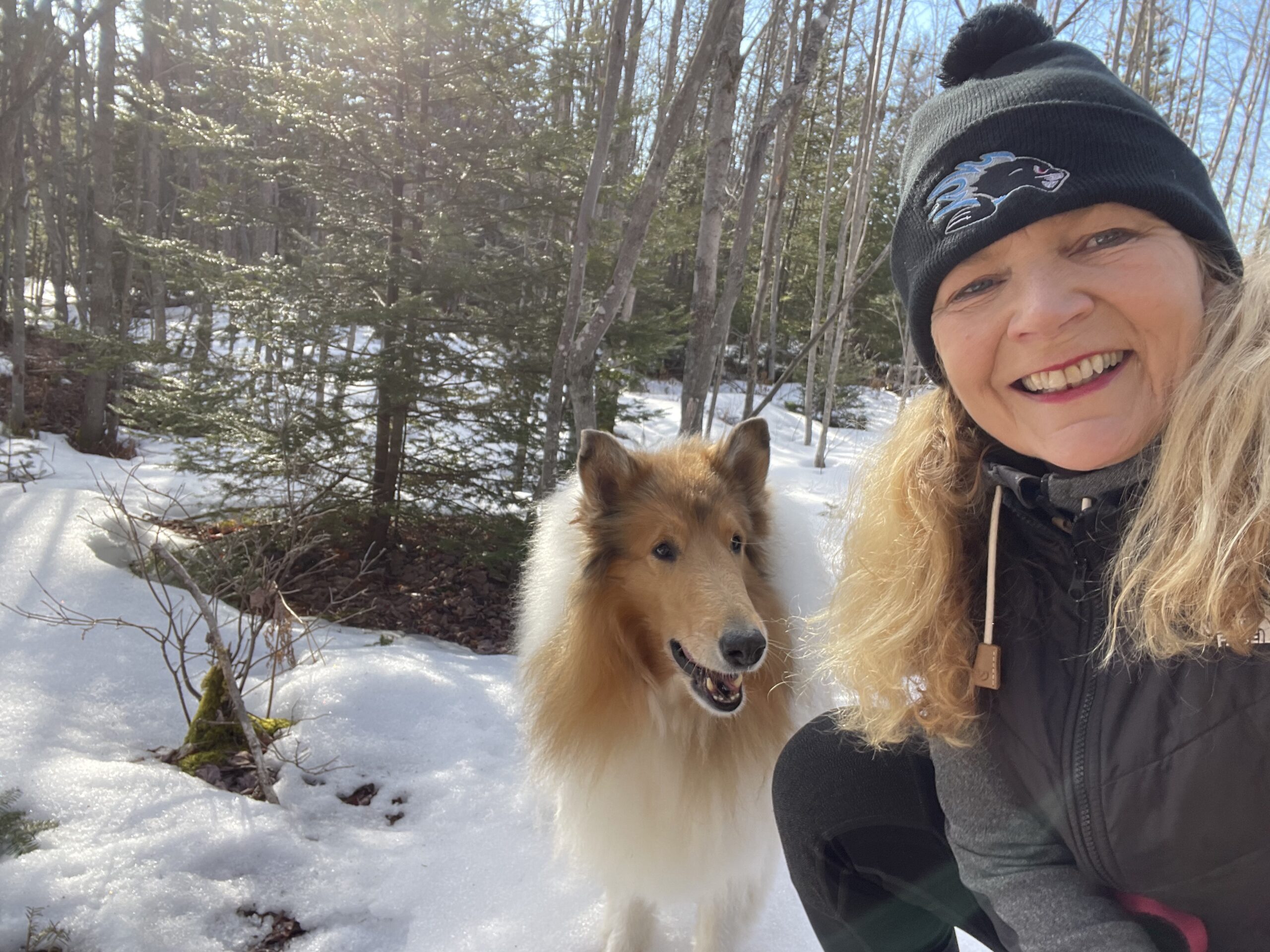
Because it matters
My parents inspired me, they loved to bird watch and to walk in the woods and be with nature. They instilled in us our actions affected everything around us and they recycled, reused, repurposed and composted long before it was the "thing" to do. Donating to WWF has...
Kristina: Because it matters
My parents inspired me, they loved to bird watch and to walk in the woods and be with nature. They instilled in us our actions affected everything around us and they recycled, reused, repurposed and composted long before it was the “thing” to do.
Donating to WWF has just made sense, though my donation is small, I just know it goes toward much needed research.
I love being in nature and I am very fortunate to live in a sparsely populated area and can be in the quiet of nature everyday.
My hope is that the collective We, make changes to sustain our world for generations to come.
A thriving eco system in my own back yard
When my wife and I moved out of the big city and onto our small acreage of 2.5 acres, I had a lot of work to do. I started to plant as many trees as possible, and ordered about 600 trees of various kinds from the province, called shelter belt seedlings. I had to flag...
Lyle: A thriving eco system in my own back yard
When my wife and I moved out of the big city and onto our small acreage of 2.5 acres, I had a lot of work to do. I started to plant as many trees as possible, and ordered about 600 trees of various kinds from the province, called shelter belt seedlings. I had to flag them or they would get run over by my lawn mower. Some survived and some had to be replaced. I noticed that my neighbors had established yards and mine was a blank slate. I also noticed that their yards were perfectly manicured, and my wife wanted that for our yard too. I had another idea of how our yard was going to be. I wanted to have a refuge for any animal that wanted to use it. The moles and gophers left big mounds of dirt all over the yard, all the neighbors killed them as a pest, and I just raked over the hills spreading the black loam over the area being dug out. I call it natural aeration, the dirt soon grew over with grass, leaving it greener and looking healthy, I allow the yellow dandelions to grow because the bees need their nutriants first thing in the spring and dandelions are the first flowers to give them their early spring diet. I haven’t sprayed any herbicides for the last 8 years because I’ve noticed that there were no bugs in my lawn, which the birds need. The deer that pass through use my trees as a scratching post, taking branches off while they do it. The trees are not perfect like the guy’s next door but the deer use my yard and not theirs. I love my natural yard and will maintain it in this way for as long as I live here. My trees have grown and my yard is beautiful, in a natural sort of way, and I love being in nature and use it as much as possible. My wife is getting used to the idea of having a yellow yard in the spring and fall during dandelion season. This is their world as well as mine and nature needs us to help them out, not kill them because of our need to have a perfect yard.
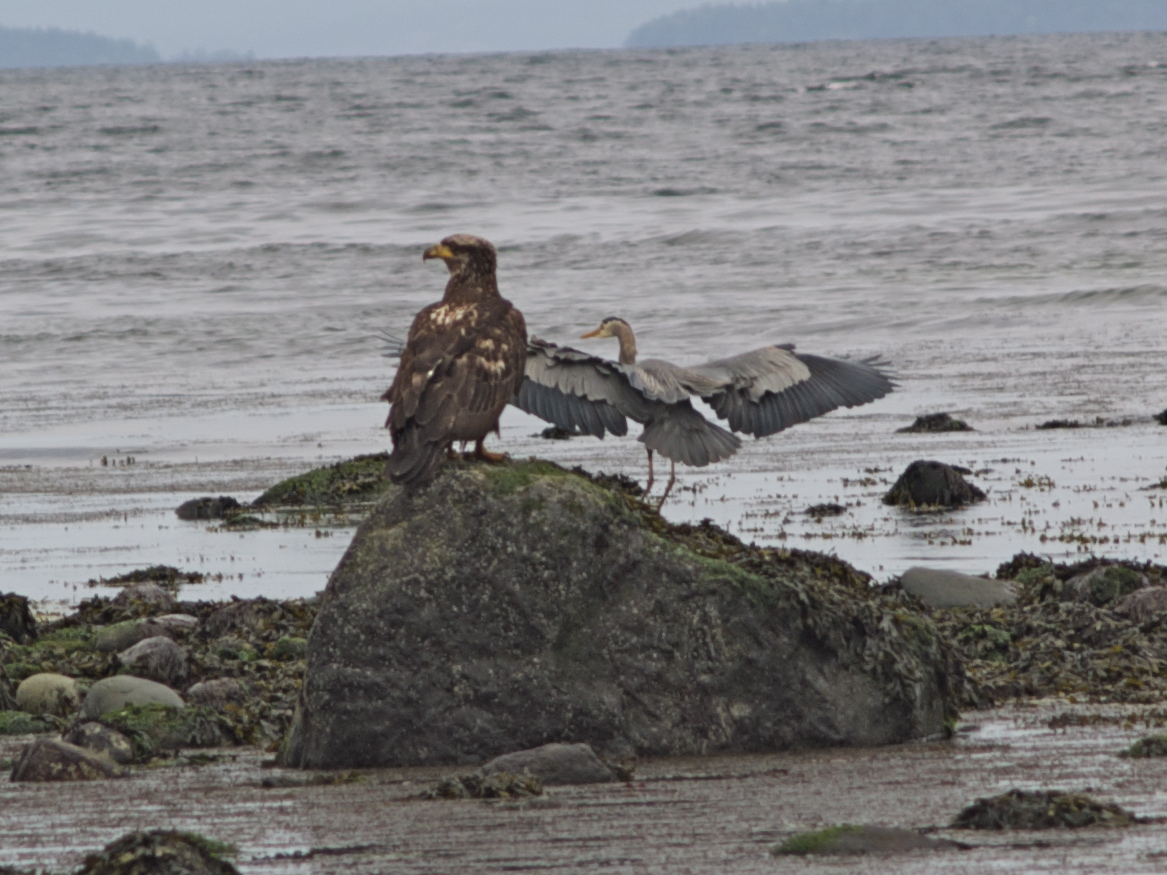
Blue Heron & Eagle at Parksville -May 2011
/Users/andrewchisholm/Desktop/Blue Heron & Eagle at Parksville -May 2011 .jpg
Drew: Blue Heron & Eagle at Parksville -May 2011
/Users/andrewchisholm/Desktop/Blue Heron & Eagle at Parksville -May 2011 .jpg
My Story
I have always felt a connection to nature and both its flora and fauna species. I also believe it's our responsibility and my own path to ensure its proper stewardship and assist in all that I can in its protection and preservation. I believe strongly in conservation...
Jan: My Story
I have always felt a connection to nature and both its flora and fauna species. I also believe it’s our responsibility and my own path to ensure its proper stewardship and assist in all that I can in its protection and preservation. I believe strongly in conservation practices and support a number of conservation non profits’s in addition to WWF Canada, like Nature Canada, Nature Conservancy of Canada, RBG, CPAWs, Eden Projects, Coral Restoration Foundation to mention a few. I have also taken steps to name WWF as a sole beneficiary in an investment to leave a lasting legacy that I contribute to monthly that will increase proportionately as my salary increases. It is my hope upon completion of my degree (Lifescience BsC at McMaster University-majoring in Biology, and minoring in streams of a few minors including Environmental Sciences) to assist in a career to help the environment in some capacity either with an npo, or in conservation. I am also aspiring to train as a Highschool Teacher to advocate pedagogy on the importance of harmony and connectedness of our youth with the natural environment, and to teach about science-based beneficial behaviours, actions and solutions that we can do to combat and overcome the climate crisis and ensure prevention of loss of biodiversity! Thank you WWF for all your great work!
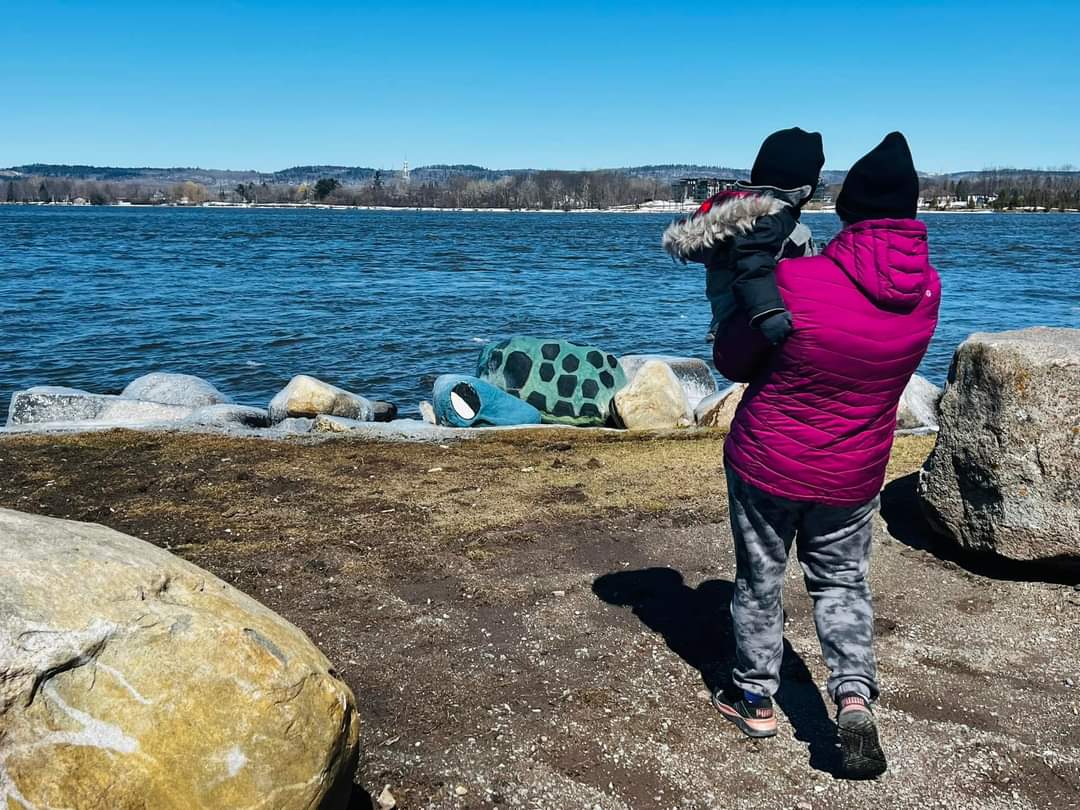
My Lifelong Nature Journey
I have been surrounded by nature since I was a child. From fishing with my dad at a very young age to riverside romps with my friends and climbing mountains for my studies, nature has always been an intrinsic part of me. To be happy is to be surrounded by wildlife,...
Sara: My Lifelong Nature Journey
I have been surrounded by nature since I was a child. From fishing with my dad at a very young age to riverside romps with my friends and climbing mountains for my studies, nature has always been an intrinsic part of me. To be happy is to be surrounded by wildlife, snapping photos. To know that the natural world is in decline breaks my heart, and I aspire to make the future brighter for my nephew. I want him to grow up surrounded by trees, birds and all the natural wonders of this world.
Learning about nature is ongoing
My appreciation for the natural world comes from my children. I enjoy watching them appreciate playing in nature, creating with nature, exploring nature and respecting nature. I have always been connected to the conservation of nature. But it was in grade 3 when I did...
Demetra: Learning about nature is ongoing
My appreciation for the natural world comes from my children. I enjoy watching them appreciate playing in nature, creating with nature, exploring nature and respecting nature. I have always been connected to the conservation of nature. But it was in grade 3 when I did a research project on polar bears that lead me to want to help out more. I hope our next generations continue to protect and learn from our natural world. Thanks !
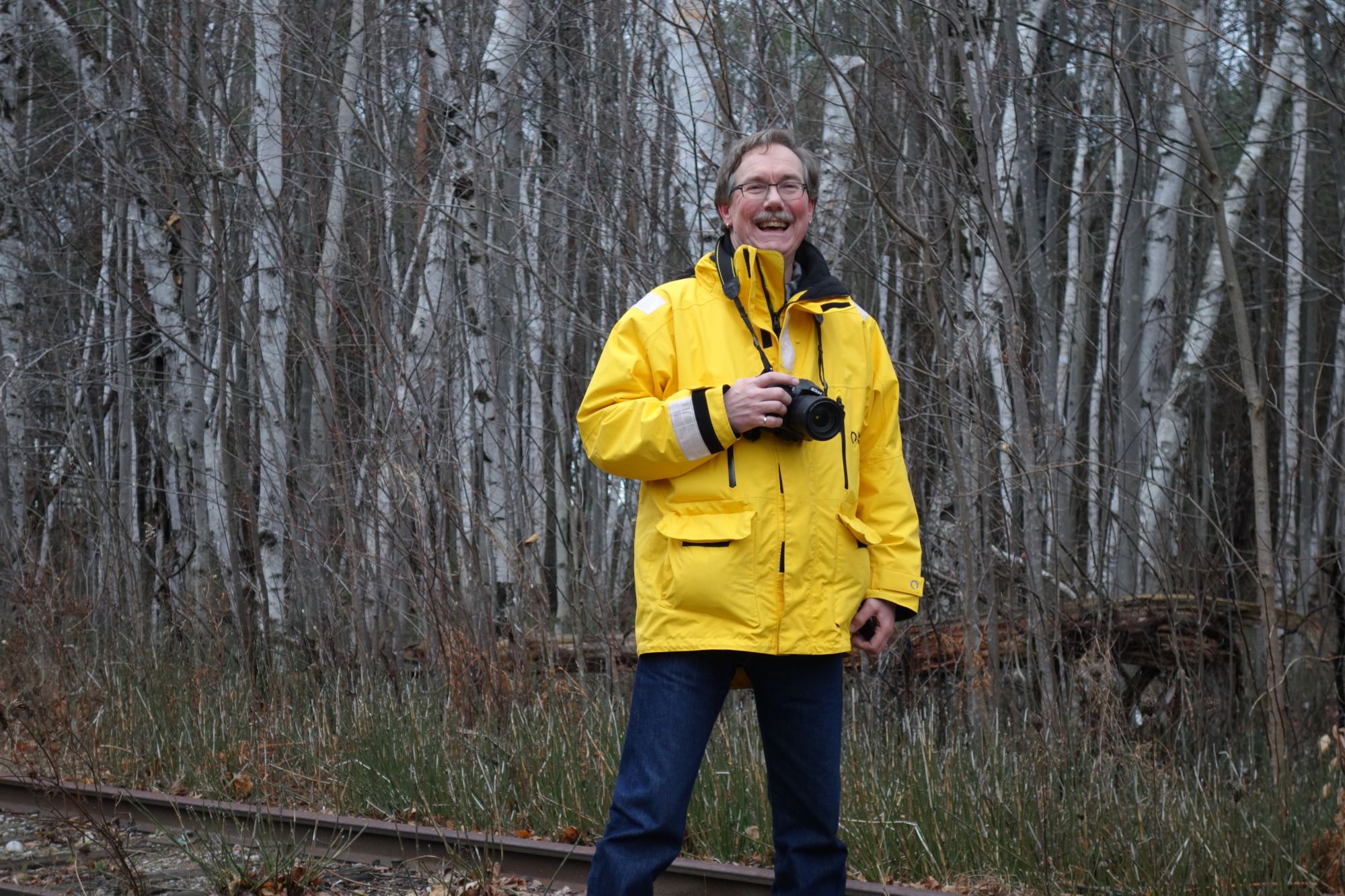
My Story
I grew up in North York, now Toronto, near the Humber River and one of its tributaries. Despite admonitions from my parents to stay away from the rivers, we often played along the banks year-round when not playing street hockey or hide and seek. I developed an...
David: My Story
I grew up in North York, now Toronto, near the Humber River and one of its tributaries. Despite admonitions from my parents to stay away from the rivers, we often played along the banks year-round when not playing street hockey or hide and seek. I developed an appreciation for nature and wildlife in the ravine system. As well, based on my parent’s attitude that we should know our country first before going international and due to money being tight, we went camping in our canvas tent trailer. Long weekends were spent in Provincial Parks and vacations were spent traveling across the country.
Now, all grown up, I have a pop-up folding trailer to enjoy time in the Provincial Parks. And I live near the West Don River and its tributaries where I often drop down into the ravine system to get away from it all for a few hours. I always have my camera handy to capture photos of flora and fauna I come across. Always except once when the camera was in the tent while a herd of caribou walked through the campsite splitting around the picnic table we were sitting at.
These all helped develop in me a love for the natural world. And a need to preserve it for my continued enjoyment and for future generations.
After research, I determined that the World Wildlife Foundation supported the ideas I found important. An aside, I also include Greenpeace and Ecojustice in my monthly donations and legacy giving for their complimentary action and advocacy in the same issues from their different perspectives.
Nature lover
I have always been a Nature and Wildlife lover I love Nature for all its grandeur, beauty and magnificence. I now have a grandchild and I want to tell him when he is old enough to understand, that I did my part in preserving the land where he was born. I want him to...
Cynthia: Nature lover
I have always been a Nature and Wildlife lover
I love Nature for all its grandeur, beauty and magnificence.
I now have a grandchild and I want to tell him when he is old enough to understand, that I did my part in preserving the land where he was born. I want him to also learn to appreciate what Nature gives us for free. When it is time for me to leave this beautiful planet, I want to bring with me the feeling of accomplishment. Knowing that I did my part with support from friends and family who cares for what I cared for.
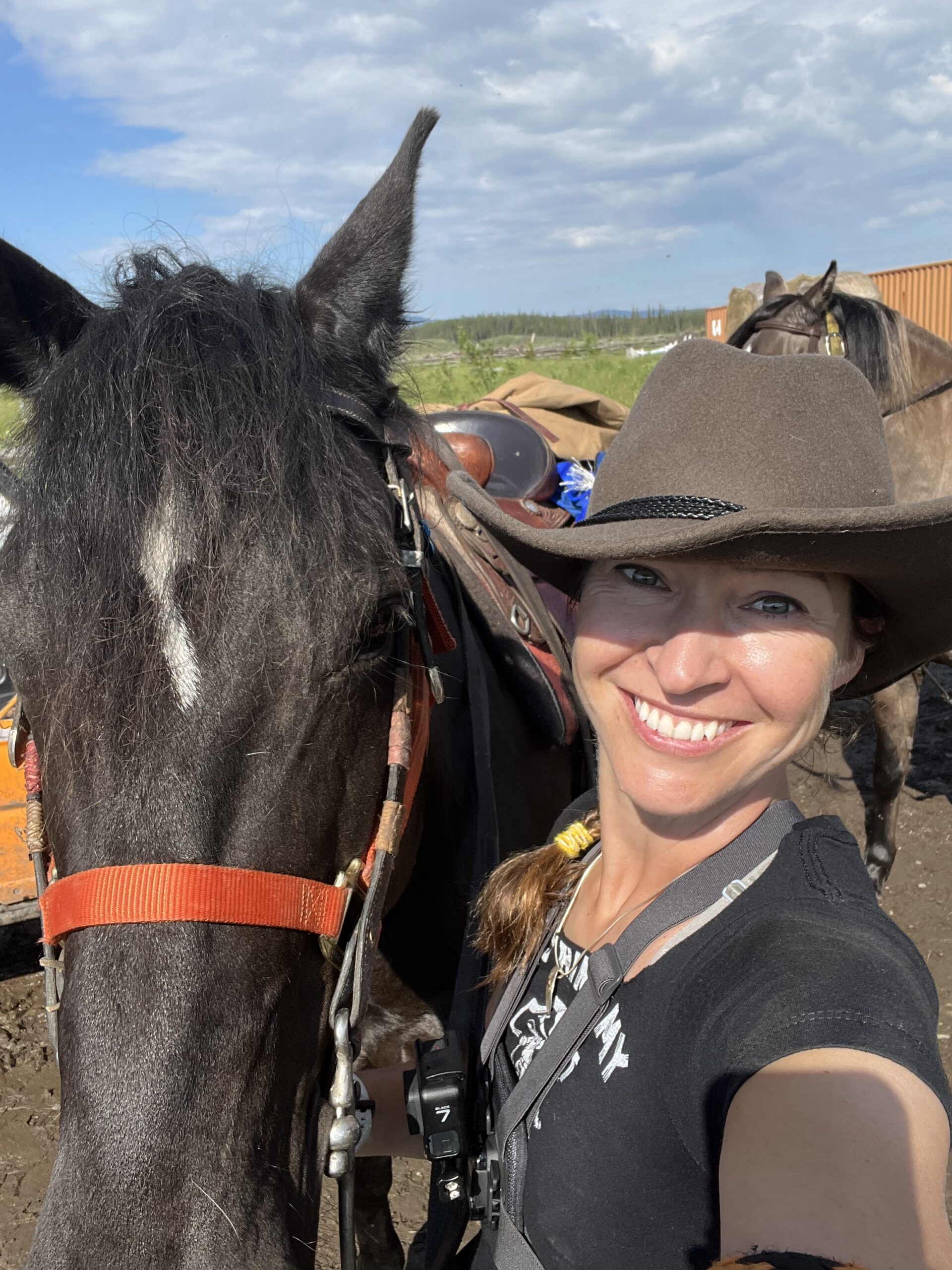
Lifelong love of nature
I grew up in central British Columbia, practically in the middle of nowhere. As part of that, we had a lot of opportunity to experience wildlife in their natural habits. From bald eagles, golden eagles, swans, sandhill cranes, hawkes, geese, red tail fox, coyotes,...
Victoria: Lifelong love of nature
I grew up in central British Columbia, practically in the middle of nowhere. As part of that, we had a lot of opportunity to experience wildlife in their natural habits. From bald eagles, golden eagles, swans, sandhill cranes, hawkes, geese, red tail fox, coyotes, timber wolves, wolverines, grizzly bears, black bears, otters, beavers, moose, elk, mule deer, white tailed deer and the occasional mountain lion, to name a few. It’s amazing to witness these animals in their natural habitat and I want my children, and eventually, their children’s children to be able to have this incredible opportunity.
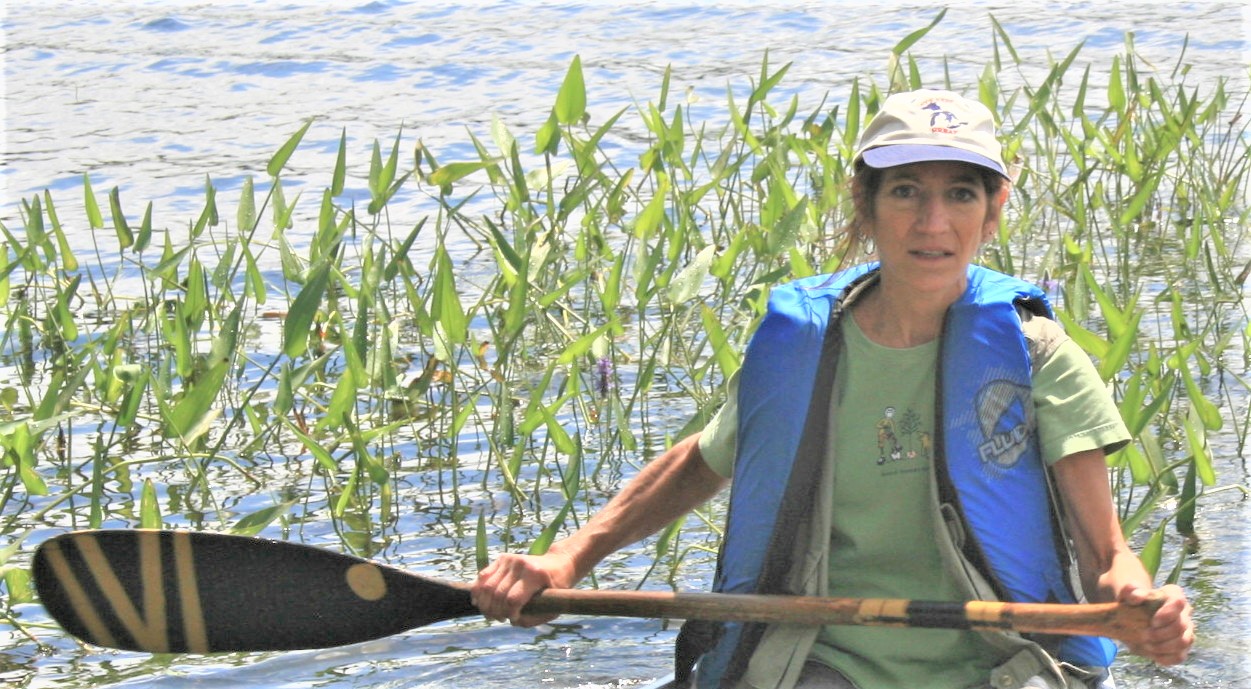
Everything is Connected
Sitting on a rock in the middle of the forest at dusk, as a 21 year old scientist, I realized the oxygen in my lungs was from the trees around me, and my CO2 fed the trees that sheltered me. The elements in the rock I sat on were elements in my body. Everything is...
Gail: Everything is Connected
Sitting on a rock in the middle of the forest at dusk, as a 21 year old scientist, I realized the oxygen in my lungs was from the trees around me, and my CO2 fed the trees that sheltered me. The elements in the rock I sat on were elements in my body. Everything is made of the same things, and to this day, that moment 45 years ago feels like yesterday. I have dedicated my life to all that don’t speak.
Concern for Earth’s natural, amazing and speechless wonders
I lived in the wild in the African Outback for a short time in my life when very young. My father was a doctor in the army, and I got inspired by watching the animals roaming free and showing their majesty. My hopes for the future of the planet are worldwide youth...
Fernando: Concern for Earth’s natural, amazing and speechless wonders
I lived in the wild in the African Outback for a short time in my life when very young. My father was a doctor in the army, and I got inspired by watching the animals roaming free and showing their majesty. My hopes for the future of the planet are worldwide youth conscience with natural resources, beauty of life with trees and animals and less materialism. I fear the way education goes we fail to succeed!
Lifelong Love of Nature
I can honestly say I recall the moment so clearly when my love for nature began. I was about 10 and there was an article in the Toronto news about a wolf that was found near the city. The photo of it's sad and frightened face is still so very vivid in my mind. I think...
Suzanne: Lifelong Love of Nature
I can honestly say I recall the moment so clearly when my love for nature began. I was about 10 and there was an article in the Toronto news about a wolf that was found near the city. The photo of it’s sad and frightened face is still so very vivid in my mind. I think I still have the photo somewhere. I decided to donate to wildlife and created a ‘Nature club’ in my basement. I studied animals from all over the world and especially Canada. Friends would come over and we would talk about how to help animals and some parents drove us to parks. From there, well it has literally been one of my life focuses.
I have travelled the world and covered Canada East to West and North to South. My friends say “The more bears the happier she is when she looks for a place to hike and kayak.” North America, South America, Asia, Europe and of course Africa have been part of my journey to understand the dynamics between people and wildlife. Trying to focus on contributing to humanity so that it can be a benefit to Wildlife Conservation. Climate initiatives too. If only more people understood how we are running out of time. With the loss of each green space we loose a piece of biodiversity that will never be replaced. We are so interconnected with nature. Somedays can be very depressing when I read what is happening to our planet and at the pace and rate that it is. Other days, I stop and say to myself, my small bit, does and will make a difference.
Dad’s Legacy
My Dad was the most influential person in giving me a love of nature. He took my brothers and I on many hikes, camping trips, trips to conservation areas, and to beaches. He shared his appreciation of the beauty of plants, majesty of animals, and the benefits of...
Carleon: Dad’s Legacy
My Dad was the most influential person in giving me a love of nature. He took my brothers and I on many hikes, camping trips, trips to conservation areas, and to beaches. He shared his appreciation of the beauty of plants, majesty of animals, and the benefits of proper clothing and footwear for whatever the weather. My kids helped me with awareness of the World Wildlife Fund through adopting animals. They were big stuffed animal fans! My youngest made her fifth birthday a fundraiser for WWF and was proud to raise a decent sum. My hopes for the future of our planet is that even the richest people learn the concept of enough and that we spread Earth’s bounty around fairly. I hope we can stop considering natural resources as money makers and leave Mother Nature alone to regain needed balance. Oh, and World Peace!
A Rare Spectacular Sighting
So there Sue and I were on our deck overlooking highway 24 south of Simcoe. A raccoon carcass was on the shoulder of the road. A magnificent Bald Eagle was trying to have dinner and was constantly flying away because of road traffic. I took my shovel and moved the...
Lorne: A Rare Spectacular Sighting
So there Sue and I were on our deck overlooking highway 24 south of Simcoe. A raccoon carcass was on the shoulder of the road. A magnificent Bald Eagle was trying to have dinner and was constantly flying away because of road traffic. I took my shovel and moved the carcass away from the road enabling an uninterrupted meal for what it turned out be a pair of magnificent Bald Eagles, whom ate in turn while one was on lookout. Absolute beauty in the wild.
Respect
I love animals. I also love humans and the planet we live on. I really worry about the living things that we purport to share this magnificent planet with. I do not think we, as humans, know how to share. Not this sandbox; not any sandbox. And, so I worry about the...
Kellie: Respect
I love animals.
I also love humans and the planet we live on.
I really worry about the living things that we purport to share this magnificent planet with.
I do not think we, as humans, know how to share. Not this sandbox; not any sandbox.
And, so I worry about the pain and suffering and environmental issues that we create.
I try to do what I can as an individual – I speak for those who cannot speak for themselves; I never let an animal suffer if I can help in any possible way; I am mindful of my use and waste; I try to keep abreast of news/public policies related to the environment and animal rights; I have been a vegetarian for 25 years; and, I give when I can and I try in the smallest of ways to spread the word: Respect. Respect for all life. Not just yours and mine but all of the magnificent lives that make this planet what it is. I think WWF is aligned with my interests in this and, so, I give. Thank you WWF for all that you do and especially for helping me to do what I cannot.
Looking after Nature’s Children
I first was first inspired when I moved to Ottawa in April 2000 and heard about OCWC- Ottawa Carleton Wildlife Centre in June of 2001. My husband had found two baby squirrels-roughly a week old who had fallen out of their nest at the base of a tree on his parent's...
Margaret: Looking after Nature’s Children
I first was first inspired when I moved to Ottawa in April 2000 and heard about OCWC- Ottawa Carleton Wildlife Centre in June of 2001. My husband had found two baby squirrels-roughly a week old who had fallen out of their nest at the base of a tree on his parent’s property. He took them to the centre, hoping they’d look after them. Instead, we were told that they were overbooked and gave him a powdered milk nutrition for us to look after them. We loved it! We were told how many times a day they needed nourishment and we were told how to teach them to pee afterwards.
My husband made them cages and we kept them first with us in the house and after they got bigger we moved them outside. The black squirrel was called, “Little Joe” after seeing the movie “Joe Black” with Brad Pitt. We called the little grey squirrel, “Haas”..after the character in Bonanza. Actually you could say that they were both from the Bonanza series.
For 8 days in June 2001, we looked after them. Haas was anxious to escape and so he left us early on. Little Joe however, wanted to hang around. On the day of my father in laws funeral, we released Little Joe. We kept looking for him but he never returned after that.
I became a staunch supporter of the work that the centre was doing for wildlife.
In the end, I wrote a children’s book on a true story of our raccoon family in the hopes that young children will come to create a bond with a wild animal by respecting them, just by watching them in the animal’s habitat.
From the OCWC to WWF; I wanted to learn more and to support the WWF for all the good work that you do!!
My main hope for the planet is that people everywhere (not just kids, but everyone) will start to respect wildlife (the four and two legged kind) , trees, plants, oceans, mammals and fish, so that we can live in harmony with all of those wonderful aspects of Nature and treat her with respect and reverence.
In about grade 4 when the teacher read aloud a book about forest life. It brought humans into the story, humans who lived in the coastal rainforest. My hope is that what I've had in my life is what future generations will have - plants and animals who survive and...
Maureen:
In about grade 4 when the teacher read aloud a book about forest life. It brought humans into the story, humans who lived in the coastal rainforest. My hope is that what I’ve had in my life is what future generations will have – plants and animals who survive and thrive.
A gift of love
My husband David purchased an owl for a little girl in Ontario who he adored. David loved nature and children and would spend all his free time enjoying the beauty of nature. He gifted this owl for a little girls fourth birthday one day before he passed away. I will...
Nancy: A gift of love
My husband David purchased an owl for a little girl in Ontario who he adored. David loved nature and children and would spend all his free time enjoying the beauty of nature. He gifted this owl for a little girls fourth birthday one day before he passed away. I will forever remember the sweet gesture and to this day she keeps the owl on her bed to remember my dear husband.
Nature is in the eyes of the beholder
I have lived all my life in a city environment appreciating living creatures' ability to survive and thrive around me. I was a grade one teacher for 35 years and shared this wonder with my students who are the perfect audience for learning how to appreciate, wonder...
Carol: Nature is in the eyes of the beholder
I have lived all my life in a city environment appreciating living creatures’ ability to survive and thrive around me.
I was a grade one teacher for 35 years and shared this wonder with my students who are the perfect
audience for learning how to appreciate, wonder and marvel at all that share this planet with us, whether we can observe them or not.
The CWF had (maybe still does?) teaching packages that I shared with my students in order to stimulate thought and compassion for all life.
We, my students and I , did fundraising in any small way that helped us feel we were contributing to help those we share our planet with.
Humans expend so much effort on justified environmental issues that directly impact themselves that we tend to forget the gift that wildlife brings and gives to us and how we are responsible for its imperilment.
I fear we are not involved enough and will not know what we have done until it is too late.
My hope is that we can focus on all who share this planet with us.
Respect for nature.
My hopes are that through education and understanding of the severity of the condition of the planet that man will rise to the occasion and help this earth repair itself. I was blessed with parents that taught me a great appreciation of nature and wildlife and to...
Elizabeth: Respect for nature.
My hopes are that through education and understanding of the severity of the condition of the planet that man will rise to the occasion and help this earth repair itself.
I was blessed with parents that taught me a great appreciation of nature and wildlife and to respect all living beings
I am very grateful for that.
Life is Wonderful
I have loved nature since I was a little boy and it hasn't changed since I aged!
Drew: Life is Wonderful
I have loved nature since I was a little boy and it hasn’t changed since I aged!
An Ermine Among Us.
I grew up on a southwestern Ontario farm with mixed crops and livestock. My dad had a natural way with animals of all kinds, and I learned that from him at an early age. He was not only good with farm livestock, but all of the field and woodland inhabitants as well....
David: An Ermine Among Us.
I grew up on a southwestern Ontario farm with mixed crops and livestock. My dad had a natural way with animals of all kinds, and I learned that from him at an early age. He was not only good with farm livestock, but all of the field and woodland inhabitants as well. He respected them and always gave them their space.
I seem to have an easy way of connecting with animals around our wooded home lot, part of the northern reaches of the unique Carolinian environment, just north of Pinery Provincial Park. Our back yard was always visited by a diverse range of birds, animals, insects and aquatic life, as we had a water garden there as well as native and perennial gardens.
One particular visitor became a regular in the winter of 2014/15. When I first spotted him in November on the deck of our garden shed, I didn’t know what he was, and had to look him up. An Ermine.
Over the next four months of a particularly hard winter, we became quite familiar with each other. He was as curious as I was, and would come when I would call him “Herman!” I fed him suet sometimes, as the snow was so deep and the cold bitter; I was concerned the tiny creature might not survive. He rewarded me by posing very close to my camera sometimes, and cavorting playfully in the deep snow. My photographs were shared and much enjoyed by friends and neighbours who eagerly anticipated the next update on our small friend’s escapades.
Then, exactly four months later, he vanished. Likely a predator got him… we have foxes, coyotes, feral cats and other animals we enjoy seeing, along with deer, opossum, wild turkeys and a wonderful range of other birds and wildlife. But the time Herman the Ermine was with us was a real privilege.
West Coast Dreams
It wasn’t until I lived abroad for several years that I truly missed my home on Vancouver Island, British Columbia. I left for Australia searching for artistic inspiration & began painting on a regular basis. After experiencing years of what Australia’s lush...
Elizabeth: West Coast Dreams
It wasn’t until I lived abroad for several years that I truly missed my home on Vancouver Island, British Columbia.
I left for Australia searching for artistic inspiration & began painting on a regular basis.
After experiencing years of what Australia’s lush coastal beauty had to offer I soon realized how much I longed for home & the ethereal west coast of Vancouver Island.
Thick fog blanketing the tree line, the wet, dark & deep ambient rainforest, the smell of sun-kissed blackberries along a trail, clusters of mussels clinging to a jagged shore, a pod of orcas playing in the distance. These moments & so many more have brought me a sense of peace in my life.
I had found my artistic calling, & after a summer visit back to the island I began a series of watercolour sea creatures. After that, many paintings of West Coast seascapes followed, which led me to focus on waves. There is nothing quite like the force of powerful, breaking waves at Botanical Beach commanding your attention.
Through countless trips photographing Botanical’s magnificent winter surf, I have dedicated most of my artwork to this special place. Botanical Beach has been a source of beauty, reflection & inspiration to me since I was a child.
I felt strongly in giving give back to the coast, & that’s when I became a supporter of World Wildlife Fund Canada.
Youth Inspired by Nature
A grade six science study of biodiversity plunged me headfirst into a world of jellyfish and juncos, crocodiles and crabs. I never looked back! Nothing fascinates and creates more respect in me than nature. I love using my time and resources for birding, wildlife...
Abby: Youth Inspired by Nature
A grade six science study of biodiversity plunged me headfirst into a world of jellyfish and juncos, crocodiles and crabs. I never looked back! Nothing fascinates and creates more respect in me than nature. I love using my time and resources for birding, wildlife rehab, and gardening… nature will always inspire me!
My affinity for nature, a lifelong love.
My whole life I have felt an affinity with nature and animals. I loved going on long hikes on local trails when I was young. Listening to the birds and the rustle of squirrels in the underbrush gave me peace and serenity. My favorite animal has always been the...
Irene: My affinity for nature, a lifelong love.
My whole life I have felt an affinity with nature and animals. I loved going on long hikes on local trails when I was young. Listening to the birds and the rustle of squirrels in the underbrush gave me peace and serenity.
My favorite animal has always been the elephant, a lumbering beautiful beast who is really a gentle giant. When I realized what was happening to them and their habitats, I started donating what I could to help. From there, I started donating to WWF-CANADA wherever I could. Animals can’t speak for themselves. We need to help them survive the mess we are making of this planet. I feel that as part of the older generation, I need to do my part to do what I can to help the next generations save our world and return it to it’s former glory.
Animals are like Stuffies
I have always had a love for animals from as far back as I can remember I had a deep sense of empathy for them and still do to this day. I was the kid that thought my stuffed animals had feelings and the funny thing is at 64 I can still look into their eyes and wonder...
Brenda: Animals are like Stuffies
I have always had a love for animals from as far back as I can remember I had a deep sense of empathy for them and still do to this day.
I was the kid that thought my stuffed animals had feelings and the funny thing is at 64 I can still look into their eyes and wonder what their thoughts are. If only they could speak those stuffies could have helped the living animals.
All animals need to feel a sense of belonging in the world. As humans we have done so much harm to the earth to the animals and to nature that we are destroying what rightfully belongs to them. As humans we can make the changes . As animals they can not make the changes to their natural being.
I have visited the polar bears in Churchill and it was the most incredible experience to have witnessed these magnificent bears in their natural habitat.
I want my grandchildren to have those experiences so every Christmas one of their gifts and my daughter and her husband get a stuffy from WWF.
I hope that people will give respect to those that can’t tell us what’s wrong , to look into the eyes of an animal and wonder what can we do to help you, to look in the eyes of a stuffy and feel the empathy for their living being.
nature
Nature has always been a saving grace in my life. As a writer and artist, it influences everything i do.....One is never lonely in a forest. Very happy to be able to support wildlife causes whenever i can.
Cheryl: nature
Nature has always been a saving grace in my life. As a writer and artist, it influences everything i do…..One is never lonely in a forest.
Very happy to be able to support wildlife causes whenever i can.
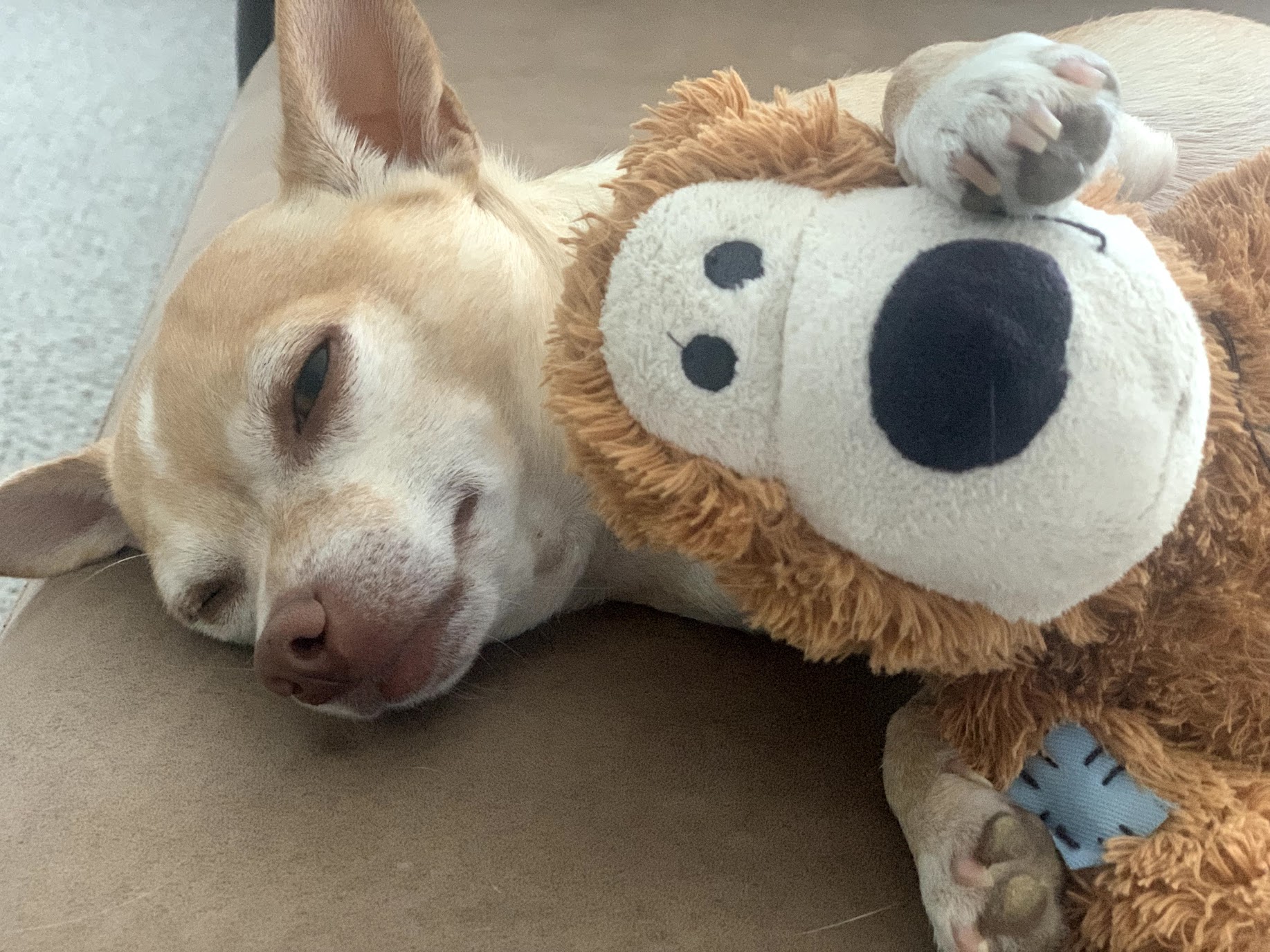
Lenny: A Chihuahua with a Lion-Sized Heart for Wildlife Conservation
Lenny might not have the size of a lion, but he's got a big heart for wildlife conservation. His human, Janine, stumbled upon this passion when she noticed Lenny's obsession with outdoor walks and his affinity for squirrels. Before they knew it, they were actively...
Janine: Lenny: A Chihuahua with a Lion-Sized Heart for Wildlife Conservation
Lenny might not have the size of a lion, but he’s got a big heart for wildlife conservation. His human, Janine, stumbled upon this passion when she noticed Lenny’s obsession with outdoor walks and his affinity for squirrels.
Before they knew it, they were actively supporting the WWF foundation, raising funds and awareness for animal conservation. Janine may have all the thumbs, but Lenny’s cuteness and charm bring in the big bucks or at least a loonie, twoonie too. Every bit makes a difference.
As this dynamic duo works together, they dream of a future where every animal can live free from harm and every person can appreciate the beauty of nature. Lenny even had a few suggestions for a side-kick to the WWF mascot Chi-Chi the Giant Panda, including himself.
Together, Janine and Lenny continue to inspire others to join the WWF, proving even the smallest dog can make a big impact.
My Story
I was told that as an infant, my favorite book was a cloth book (un-tearable) showing various animals. Apparently naming them (in baby-speak) was among my first words. I think I remember the book, but thought it might be a created memory. Then years later, I found...
Ronald: My Story
I was told that as an infant, my favorite book was a cloth book (un-tearable) showing various animals. Apparently naming them (in baby-speak) was among my first words. I think I remember the book, but thought it might be a created memory. Then years later, I found another cloth book in a children’s book store. The smell of that book brought back so many vivid memories that I know I had a similar book. That’s evidence that very early, in life animals were important to me. Later, in Grade 4 (1953), I flipped through an encylopaedia and found pictures of dinosaurs. Wow! Then I saw the word “extinct” and looked that up in a dictionary. Utter devastation. So conservation became important for me. Today, I am still upset at reports of some frog or dolphin that is about to disappear. I am not suited to trekking in wild places like David Attenborough or Gordon Buchanan. All I do is give a little financial support to WWF and several other wildlife organizations. Thank you for your good work.
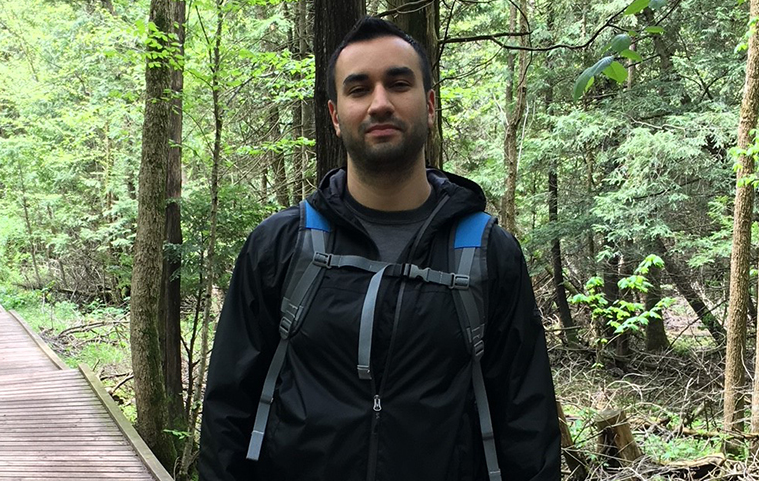
A love for wildlife and making a difference
I love wildlife. I spend every minute I can experiencing the majesty of the natural world. I donate monthly to WWF-Canada, but after recently being inspired by nature, I wondered if I could make an even greater impact. I researched the best ways to make a significant...
Julian: A love for wildlife and making a difference
I love wildlife. I spend every minute I can experiencing the majesty of the natural world. I donate monthly to WWF-Canada, but after recently being inspired by nature, I wondered if I could make an even greater impact.
I researched the best ways to make a significant difference for wildlife and wild places. I’m only 27 years old, but am a respected Investment Professional in the financial industry. Inspired by an article I read regarding life insurance as a gifting option, I decided this was the best way for me to make a significant contribution to wildlife and wild places. This philanthropic strategy allows me to leverage my annual support and make a larger gift. The numbers surprised even me.
In just 10 years, through paying premiums on my insurance plan, I will have created a $55,000 gift to WWF-Canada. I couldn’t believe how easy it was to leave such a substantial legacy to restore the natural world that gives me so much joy!
Now my passion for wildlife is my living legacy. I hope that my story will inspire others to consider how they can ensure a nature-filled life for future generations.
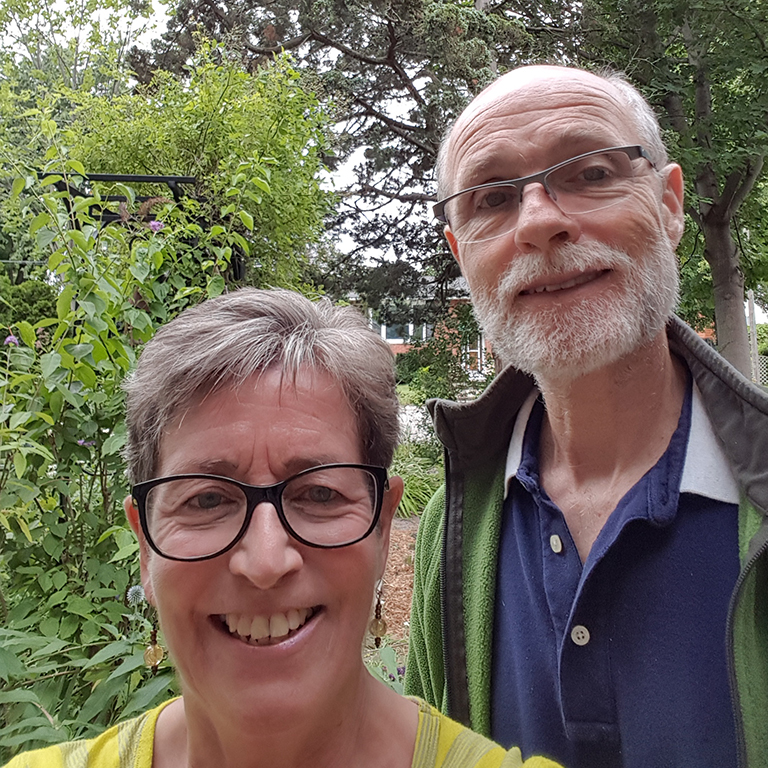
A legacy of action for the environment
Ian and June Robertson are forces of nature and forces for nature. Regular monthly supporters since 1988, Ian and June are also CN Tower climbers, loyal petition signers, and advocates for wildlife. On top of all they’ve done, they have included a gift to wildlife in...
Ian and June: A legacy of action for the environment
Ian and June Robertson are forces of nature and forces for nature. Regular monthly supporters since 1988, Ian and June are also CN Tower climbers, loyal petition signers, and advocates for wildlife.
On top of all they’ve done, they have included a gift to wildlife in their Will to WWF-Canada.
Ian and June are avid gardeners who’ve turned their small garden into a wildlife wonderland. And they’re intrepid bird watchers.
Ian, now retired, was a school teacher. In every school he worked, he championed the environment — which, early in his career, involved him in the basics of recycling and energy conservation programs. In his later years, he inspired his schools to climb the CN Tower.
“It’s nothing special,” Ian and June say, “We’re not scientists or biologists. We have simply loved nature all our lives and want to do what we can to pass a beautiful world on.”